Lacey classic

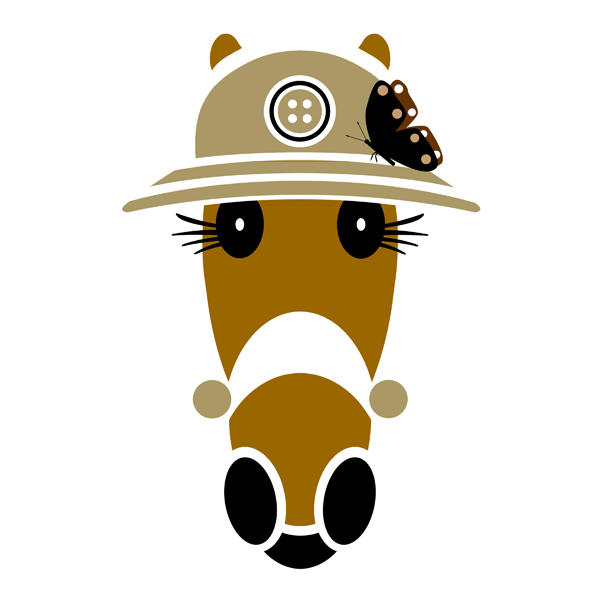
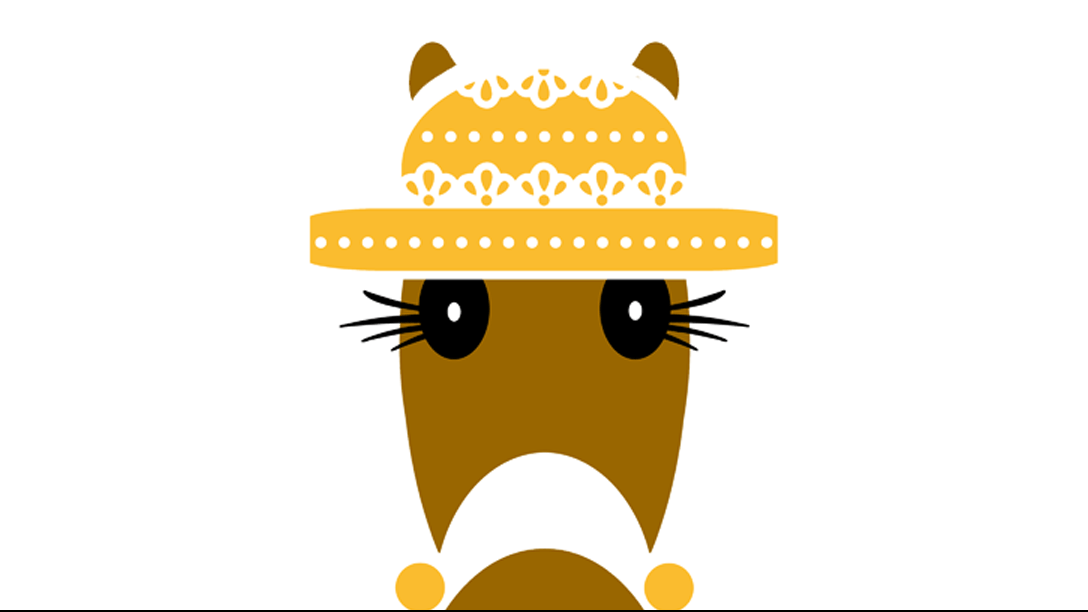
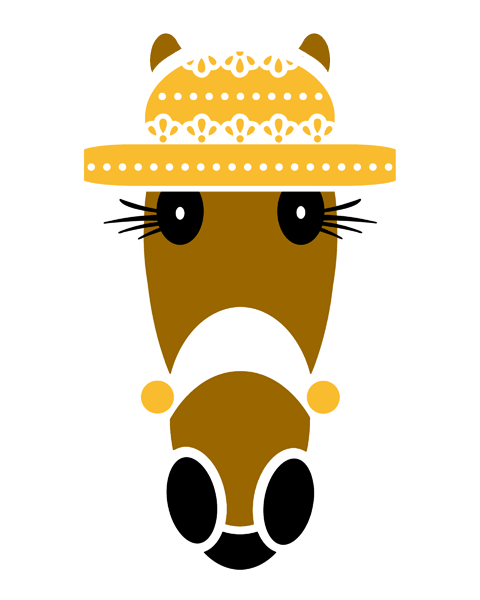
Lacey Hattingdon classic hat.

Hello there, and welcome. Do you fancy seeing a gorgeous new classic hat? We hope you do, because we have a darling one for you. She is oh so pretty. That sunny yellow is delicious!

We named her Lacey.

Lacey yellow and white classic hat from 2015.
Lacey Hattingdon.

We love love love this hat, and hope you do too. Bye for now.

Love, Hattingdon Horses.

Hattingdon H logo.

World Honey Bee Day

Honey Beehive featured image with curious bee.

World Honey Bee Day is the third Saturday in August, on the 16th of this year, bringing a buzz of celebration for beekeepers, honey lovers, and all blooming things.

World Honey Bee Day began as National Honey Bee Day in 2009, with a proclamation issued by the Secretary of Agriculture, Thomas J. Vilsek. The day grew rapidly, bringing awareness to the benefits and environmental needs of honey bees.

The day recognizes both the honey bee and the beekeepers who tend the hives. It also encourages us to buy and enjoy locally grown honey whenever we can.

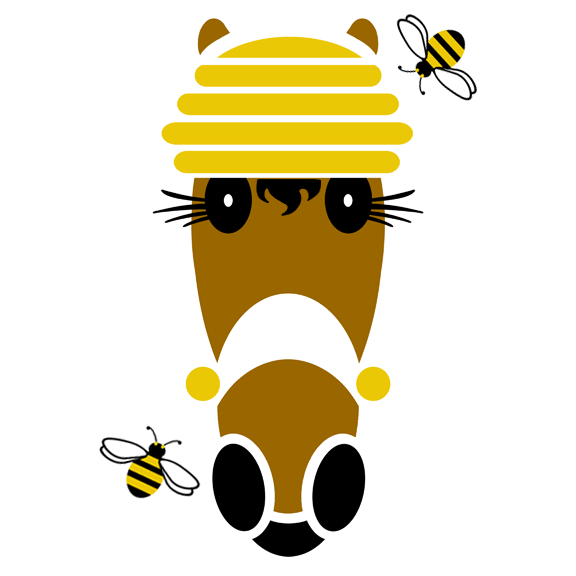
In honor of Honey Bee Day, Hattingdon is wearing her “Honey” fashion hat, along with two sweet honey bees. Darling.

Honey and two bees. August 2025.
Honey Hattingdon

Six ways to celebrate

  1. Collect and spread local wildflower seeds to promote honey bee pollination.
  2. Flavors of honey vary depending on the variety of flowers and nectar available to the bees.
  3. Clover, alfalfa, lavender, orange, and chestnut are just a few to choose from.
  4. Replace your usual sweetener with honey for the day. Taste the difference!
  5. Give the gift of honey to a friend, neighbor, co-worker or family member.
  6. Share your sweet honey stories on social media tagging #WorldHoneyBeeDay.

The indispensable role of pollination

Bees are arguably the most important pollinators on the planet, facilitating the reproduction of countless plant species, including many that are essential for human food production. Their hairy bodies efficiently collect pollen, which they then inadvertently transfer from flower to flower as they forage for nectar, the sweet reward that fuels their activity. This process of pollination is essential for the production of fruits, vegetables, nuts, and seeds, underpinning both natural ecosystems and agricultural systems worldwide.

Support pollinators

When we plant wildflowers, orchards, and other flowering plants, we support pollinators such as honey bees. They depend on the nectar of a variety of plants for their survival. Conversely, we depend on honeybees for our survival, too! Without their pollinating abilities, many nutritious plants are unable to reproduce.

About the day

World Honey Bee Day began as National Honey Bee Day in 2009 with a proclamation issued by the Secretary of Agriculture, Thomas J. Vilsek. The day grew rapidly bringing awareness to the benefits and environmental needs of honey bees.

Sources: » National Day Calendar » Almanac.com »

See also: » How Do Bees Affect the Environment? »

Christmas Gold Logo

Lollipop classic

Lollipop Hattingdon top featured image.

In 1908, candy maker George Smith revolutionized the candy world by creating a hard candy mounted on a stick, the first modern lollipop. According to his memoirs, he named the treat after his favorite racehorse — Lolly Pop.

National Lollipop Day is celebrated each year on July 20. It is a day to celebrate hard candy, sweet treats and being a kid.

Hattingdon does not have a “lollipop hat” per se, but she does have a very pretty classic hat inspired by the sweet lollipop Vivian created, seen below.

We named the design Lolly. Hattingdon fans call it the Lollipop hat. That’s cool. Here she is.

Lollie classic hat with lollipop in coordinating colors.
Lolly with her Lollipop

Isn’t she sweet? Love love love the colours. Oh. Before we go, here is a bit of lollipop history.

History of the Lollipop

Jon Prince, writing for CandyFavourites.com, states, “The first incarnation of the lollipop was probably created by cave people thousands of years ago, who collected honey from beehives with a stick. Not wanting to waste the sweet nectar, they most likely licked the stick, thus inventing the world’s first lollipop. Good for them (good for us).”

“Archaeologists believe that ancient Chinese, Arabs, and Egyptians all produced fruit and nut confections that they ‘candied’ in honey (which serves as a preservative), and inserted sticks to make it easier to eat.”

What are your favourite lollipops? Let us know. Love, Hattingdon.

Related Reading

National Day Calendar » | New Haven Gives the Lollipop Its Name »
Note: You will not be mercilessly bombarded with ads. —Vivian.

Updated: 28 July 25.


Hattingdon H logo.

Nat’l I love Horses Day

Featured image featuring Dee Dee Hattingdon.

On July 15, “National I Love Horses Day,” we express our love and gratitude for that marvelous and magnificent creature — the horse. With over 200 breeds, these spirited animals give humans much to love. Their loyalty and devotion throughout history is a fraction of the many reasons we love them.

Their contribution to mankind has been incalculable. Thus began  the horse’s unrivalled historical influence across millennia to the present day. “Civilization was built on the back of a horse.” (Podcast).

Did you know . . . ?

• In the course of 55 million years, the horse has developed from a small animal the size of a cat, into the many varieties of horses we have today.

• The use of horses by humans began roughly 5,500 years ago on the windswept grasslands of the Pontic-Caspian Steppe.

• Today there are more than 600 horse breeds.

• Horses come in all shapes and sizes, and hundreds of different horse breeds exist today. Before being domesticated, horses ran wild. Over time, humans caught and trained horses, and then they started to strategically breed them to refine certain desirable traits.

• Horses “lock” their legs to avoid collapsing while sleeping standing up.

• Horses have a “stay apparatus” in their hind legs that allows them to lock their legs without having to use their muscles to support themselves.

• According to Equus, horses have a 350-degree view of the world, compared to a human’s view of about 90 degrees. Since a horse’s eyes are positioned on the sides of their head, they can see almost everything around them without turning their head. Horses can’t see a very narrow area directly in front of and behind them.

• Horses use several different types of communication. They use body language to communicate with other herd members, and everything from the twitch of an ear to the position of a horse’s tail can carry a message.

• Horses can use their eyes together in a form of binocular vision, but they can also use their eyes independently in monocular vision. Essentially, a horse can look at an object using their right eye while also looking behind themselves with their left eye. Each eye delivers information to a different half of the horse’s brain, and those brain halves work independently.


A hatful of smiles

Hattingdon was created to raise money to provide for the protection of horses. We are retired now, but we thought you might enjoy seeing “the hatted one” here from time to time. We hope it gives you “a hatful of smiles”.

Updated 25 July 2025.


Hattingdon H logo.