Happy 4th 2023!

Red, white and blue fireworks featured image.

Today America celebrates her birthday, and we have a hat for it . . . . naturally!

It is based on the original American flag, featuring 13 stars and 13 stripes, in honor of the 13 original colonies — and considered essential to the American Revolution.

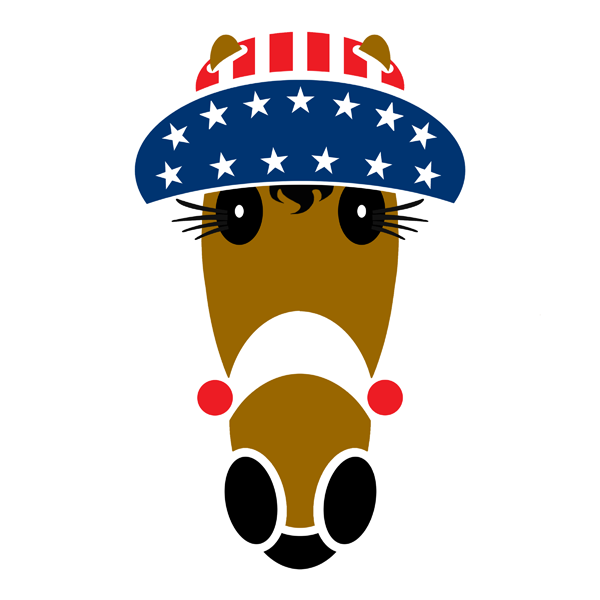
Betsy Ross is credited with sewing the first United States flag, so we have named Hattingdon’s stars and stripes hat Betsy in Ross’s honour.
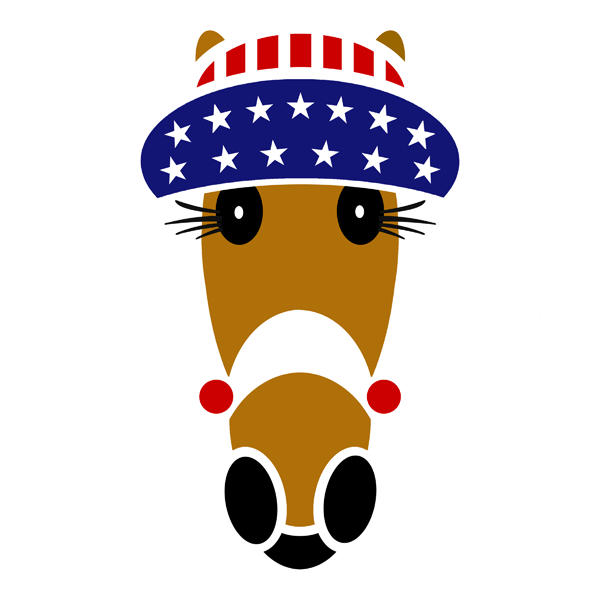
Betsy Hattingdon.

Betsy Ross

Ross has quite a story.

Betsy Ross, née Elizabeth Griscom, born January 1, 1752, Gloucester City, New Jersey, was an American seamstress who, according to family stories, fashioned and helped design the first flag of the United States.

The eighth of 17 children, she was brought up as a member of the Society of Friends, educated in Quaker schools, and became an apprentice to a Philadelphia upholsterer. However, she married another upholsterer’s apprentice, John Ross, in 1773.

By 1775 the Rosses had opened a small shop in the commercial district of Philadelphia where they lived. John was killed in January 1776 soon after he joined a local militia company to fight in the American Revolution.

Betsy continued to work as a seamstress and upholsterer. In June 1777 she married Joseph Ashburn, who would die in prison in England in 1782 after the merchant marine brigantine on which he was serving was captured during the war.

In 1783 Betsy married again, this time to John Claypoole, who had been imprisoned with Ashburn and brought the news of his death and with whom Betsy joined the newly formed Free Quakers.

Betsy ran her upholstery business with Claypoole and then for years afterward with her daughters, granddaughters, and nieces, producing flags among other objects.

Birth of the Stars and Stripes
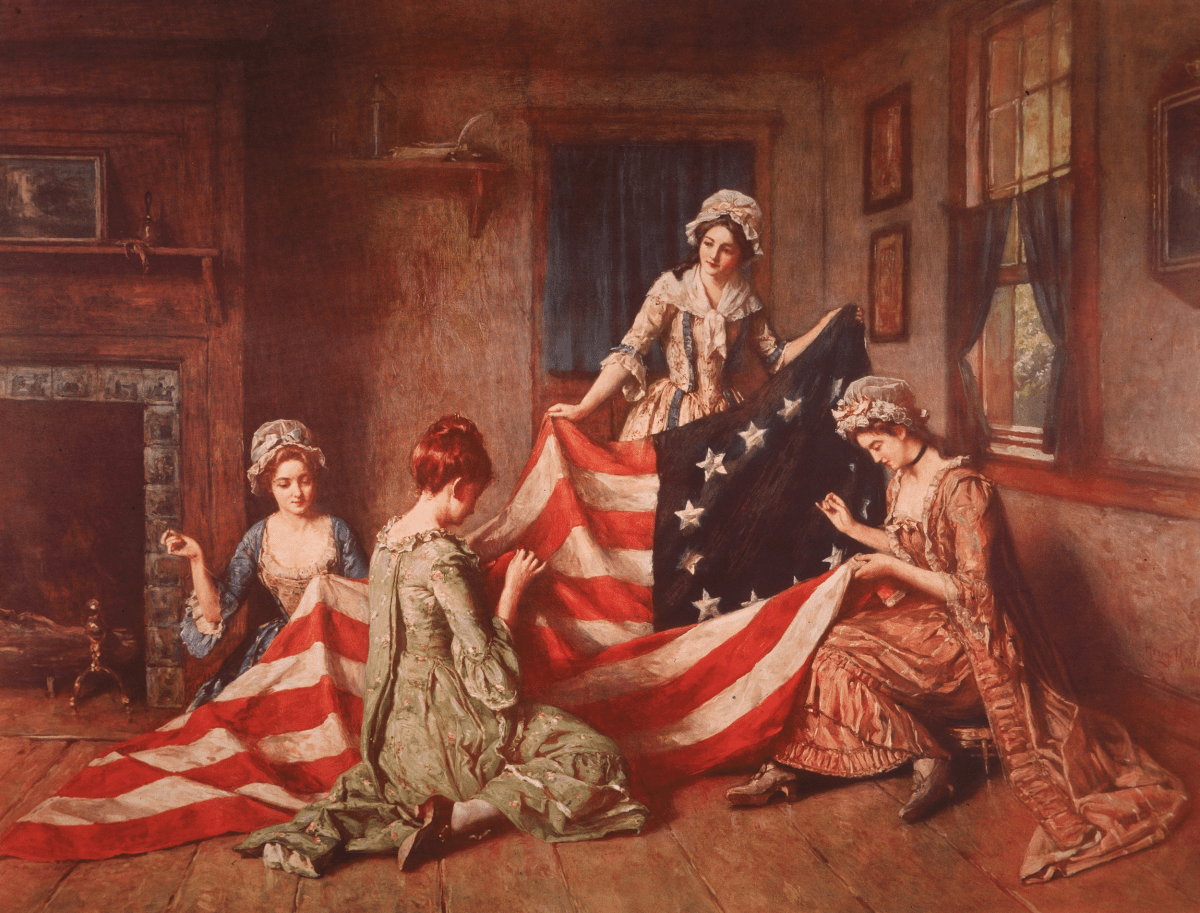
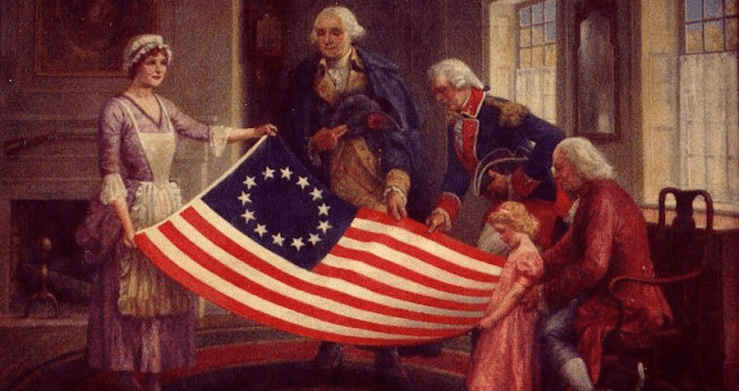
A Henry Mosler painting titled “The Birth of the Flag” depicting Betsy Ross and her assistants sewing an American flag in Philadelphia, Pennsylvania in 1777.
Lambert/Getty Images.

The story that Betsy Ross made and helped design the American flag began when her grandson, William Canby, presented his paper “The History of the Flag of the United States” to the Historical Society of Pennsylvania in 1870.

According to Canby’s account, his grandmother not only made the first Stars and Stripes — at George Washington’s behest — but also helped design it.

Canby based his paper on stories that he had heard from family members, along with his own memories of his grandmother’s tales of her involvement in making flags.

The Continental Congress adopted the Stars and Stripes as the national flag of the United States on June 14, 1777.

Sources: Encyclopedia Britannica » Wikipedia » Newsweek »


Born on the 4th of July

John Calvin Coolidge was born on July 4, 1872, in Plymouth Notch, Vermont — the only U.S. President to be born on America’s Independence Day.

Hattingdon H Logo in white encircled in Hattingdon brown.

Stars and Stripes Classic

We wanted to post Liberty Hattingdon today . . . . which we did. About 10 minutes ago. We also wanted to post a classic hat being it is Monday. So, we are double posting today!

Classic

Without further ado, here is Gloria —with a coordinating firecracker . . . . naturally.

Gloria Hattingdon with firecracker.
Gloria.

Firecrackers

Many historians believe that fireworks originally were developed in the second century B.C. in ancient Liuyang, China. It is believed that the first natural “firecrackers” were bamboo stalks that when thrown in a fire, would explode with a bang because of the overheating of the hollow air pockets in the bamboo. The Chinese believed these natural “firecrackers” would ward off evil spirits. Source: American Pyro.

Thunder Over Louisville Fireworks. WKRB TV.

Fireworks

The very first fireworks were used as early as 200 BC. However, the tradition of setting off fireworks on the 4th of July began in Philadelphia on July 4, 1777, during the first organized celebration of Independence Day.

The Farmer’s Almanac tells us, “It is also said, that fireworks displays were used as morale boosters for soldiers in the Revolutionary War. At the time however, fireworks were the same type of explosives used in war and were called rockets, not fireworks. And so colonists celebrated the fourth even before they knew if they would win the war.”

Signing

The Declaration of Independence was announced on July 4th, though the formal signing didn’t occur until August 2nd, and the colonies actually voted to accept it on July 2nd.

There’s all kinds of cool stuff at the Farmer’s Almanac. Have a safe and happy 4th!


Hattingdon H Logo in her signature brown.

©Vivian J Grant. All Rights Reserved.

Happy Flag Day

Blog Hattingdon Flag Day post header featuring Betsy.

In keeping with the Flag Act of 1777, Betsy Ross, an upholsterer from Philadelphia, created the earliest design for the national flag of the United States. It had red and white stripes outermost with thirteen white stars arranged in a circle against a dark blue background in its upper left hand corner.

Flag Day in the United States, now called National Flag Day, is a holiday commemorating the date in 1777 when the United States approved the Betsy Ross design for its first national flag.


First US flag, the original Stars and Stripes, created by Betsy Ross.

Pres. Woodrow Wilson proclaimed June 14 as the official date for Flag Day, and in 1949 the US Congress permanently established the date as National Flag Day. The resolution read: “Resolved, that the flag of the United States be thirteen stripes, alternate red and white; that the union be thirteen stars, white in a blue field representing a new constellation.”

Each star represented a state and each stripe represented the 13 colonies that declared independence from Great Britain. The colors of the flag were inherited from British flags but have no official meaning.

Betsy Hattingdon

Betsy Hattingdon fashion hat inspired by original US flag.
Betsy Hattingdon.

We celebrate National Flag Day with our “Betsy” hat inspired by, and in homage to, Betsy Ross. Our design tribute has 13 stripes and 13 stars, for the 13 original colonies, later to become known as states. They were New Hampshire, Massachusetts, Rhode Island, Connecticut, New York, New Jersey, Pennsylvania, Delaware, Maryland, Virginia, North Carolina, South Carolina, and Georgia.

Updated.


Hattingdon H Logo in her signature brown.

©Vivian J Grant. All Rights Reserved.

Happy Flag Day 2019

Stars and stripes of the US flag blog banner, Hattingdon Horses.

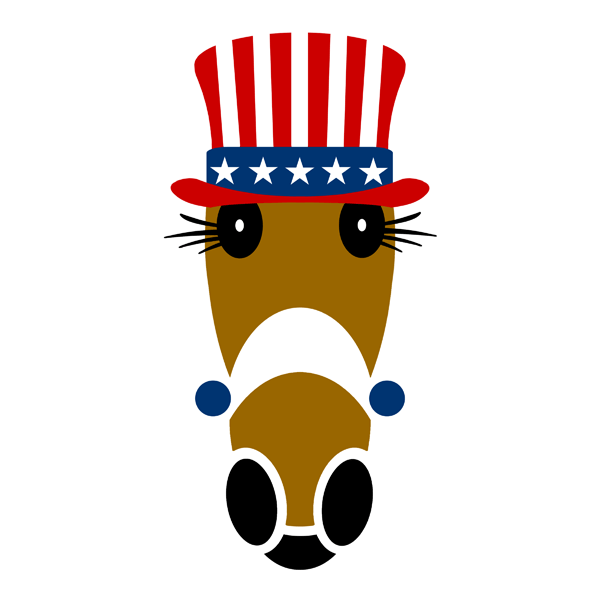
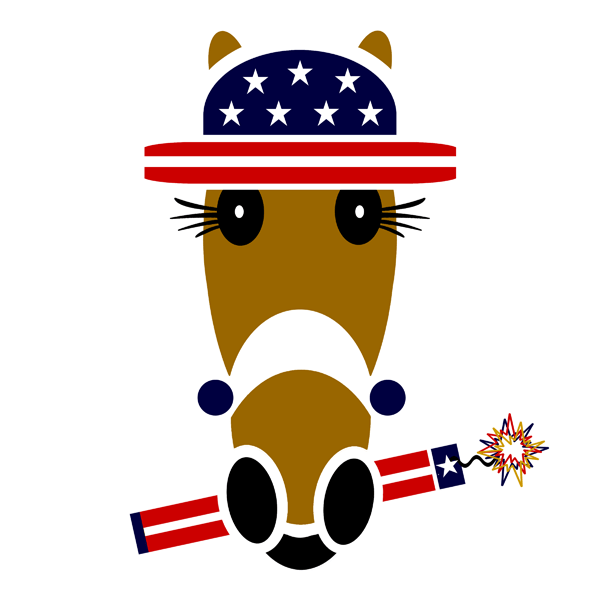
Hattingdon wears a top hat inspired by the combination of red and white stripes along with a dark blue hatband decorated with white stars for this year’s Flag Day. Isn’t she sweet?

Sammie Top Hat.

Let’s check out some history.

First flag

On this day, June 14th, 1777, the Continental Congress approved the United States national flag. It had 13 stars and 13 stripes symbolizing the 13 original colonies.

Fifteen stars

The United States added stars to the flag when welcoming new states.

When Kentucky and Vermont joined the union, the flag took on two more stars from the original. From 1795 to 1818, 15 stripes and 15 stars graced the flag.

Anticipating a crowded field of stripes, lawmakers decided to honor a new added state with a star, leaving the stripes at the original 13 after 1818.

Robert G. Heft

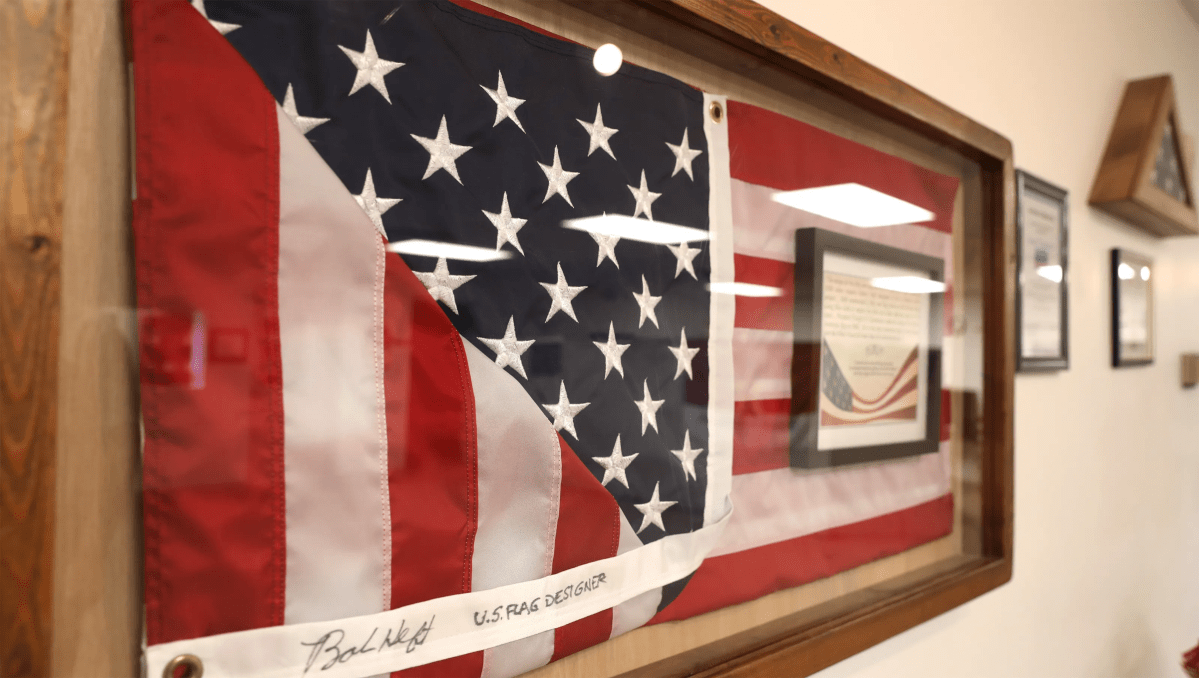
The current flag, with 50 stars and 13 stripes, was designed in 1958 by 17-year-old high school student, Robert G. Heft, of Lancaster, Ohio.

President Dwight D. Eisenhower chose his design out of 1,500 entries. It is a grand old flag — as the song says — isn’t it?!

Americans who proudly fly “Old Glory” on the Fourth of July can thank a Lancaster teenager for the current design of the flag. Robert G. Heft designed and sewed the prototype 60 years ago for a class project at Lancaster High School.

See you again here soon.

Featured Image Artwork Source »


Hattingdon H Logo in her signature brown.

© Vivian J. Grant.