World Honey Bee Day

Honey Beehive featured image with curious bee.

World Honey Bee Day is the third Saturday in August, on the 16th of this year, bringing a buzz of celebration for beekeepers, honey lovers, and all blooming things.

World Honey Bee Day began as National Honey Bee Day in 2009, with a proclamation issued by the Secretary of Agriculture, Thomas J. Vilsek. The day grew rapidly, bringing awareness to the benefits and environmental needs of honey bees.

The day recognizes both the honey bee and the beekeepers who tend the hives. It also encourages us to buy and enjoy locally grown honey whenever we can.

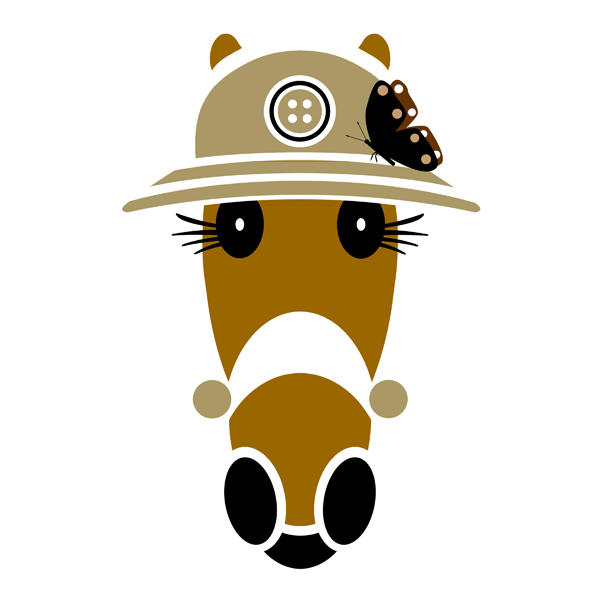
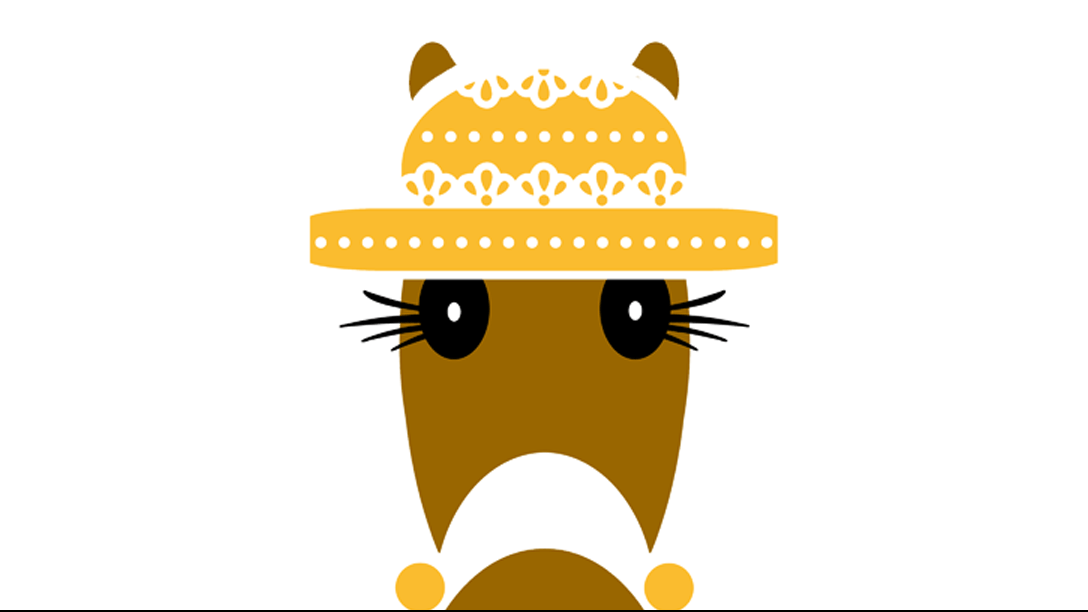
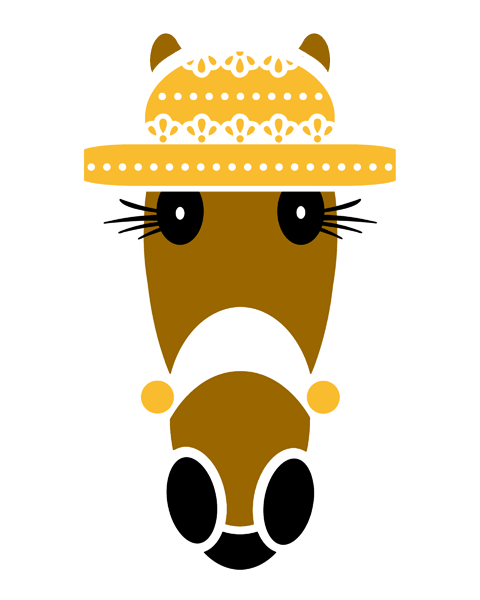
In honor of Honey Bee Day, Hattingdon is wearing her “Honey” fashion hat, along with two sweet honey bees. Darling.

Honey and two bees. August 2025.
Honey Hattingdon

Six ways to celebrate

  1. Collect and spread local wildflower seeds to promote honey bee pollination.
  2. Flavors of honey vary depending on the variety of flowers and nectar available to the bees.
  3. Clover, alfalfa, lavender, orange, and chestnut are just a few to choose from.
  4. Replace your usual sweetener with honey for the day. Taste the difference!
  5. Give the gift of honey to a friend, neighbor, co-worker or family member.
  6. Share your sweet honey stories on social media tagging #WorldHoneyBeeDay.

The indispensable role of pollination

Bees are arguably the most important pollinators on the planet, facilitating the reproduction of countless plant species, including many that are essential for human food production. Their hairy bodies efficiently collect pollen, which they then inadvertently transfer from flower to flower as they forage for nectar, the sweet reward that fuels their activity. This process of pollination is essential for the production of fruits, vegetables, nuts, and seeds, underpinning both natural ecosystems and agricultural systems worldwide.

Support pollinators

When we plant wildflowers, orchards, and other flowering plants, we support pollinators such as honey bees. They depend on the nectar of a variety of plants for their survival. Conversely, we depend on honeybees for our survival, too! Without their pollinating abilities, many nutritious plants are unable to reproduce.

About the day

World Honey Bee Day began as National Honey Bee Day in 2009 with a proclamation issued by the Secretary of Agriculture, Thomas J. Vilsek. The day grew rapidly bringing awareness to the benefits and environmental needs of honey bees.

Sources: » National Day Calendar » Almanac.com »

See also: » How Do Bees Affect the Environment? »

Christmas Gold Logo

Blogger Day

Blogger Day featured image art with laptop.

Blogger Day is celebrated on August 5 every year.

This day celebrates one of the most popular platforms in the world, Blogger. Anyone who has ever created a blog before has most likely used Blogger. This platform allows people to express themselves for either personal or commercial reasons.

Some bloggers use blogs to disseminate information and it has been a very good way to consume news ranging from politics to sports, technology, lifestyle, and a host of other topics.

This day should be well celebrated, especially by the blogging community, as it celebrates one of the platforms that contribute to our freedom of speech.

Happy Blogger Day

Thank you for joining us on this very special day.


Hattingdon H logo.

Lollipop classic

Lollipop Hattingdon top featured image.

In 1908, candy maker George Smith revolutionized the candy world by creating a hard candy mounted on a stick, the first modern lollipop. According to his memoirs, he named the treat after his favorite racehorse — Lolly Pop.

National Lollipop Day is celebrated each year on July 20. It is a day to celebrate hard candy, sweet treats and being a kid.

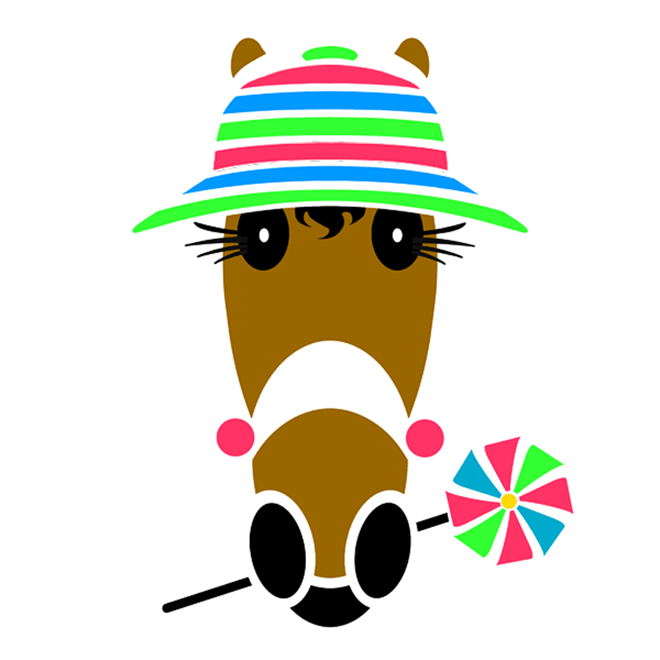
Hattingdon does not have a “lollipop hat” per se, but she does have a very pretty classic hat inspired by the sweet lollipop Vivian created, seen below.

We named the design Lolly. Hattingdon fans call it the Lollipop hat. That’s cool. Here she is.

Lollie classic hat with lollipop in coordinating colors.
Lolly with her Lollipop

Isn’t she sweet? Love love love the colours. Oh. Before we go, here is a bit of lollipop history.

History of the Lollipop

Jon Prince, writing for CandyFavourites.com, states, “The first incarnation of the lollipop was probably created by cave people thousands of years ago, who collected honey from beehives with a stick. Not wanting to waste the sweet nectar, they most likely licked the stick, thus inventing the world’s first lollipop. Good for them (good for us).”

“Archaeologists believe that ancient Chinese, Arabs, and Egyptians all produced fruit and nut confections that they ‘candied’ in honey (which serves as a preservative), and inserted sticks to make it easier to eat.”

What are your favourite lollipops? Let us know. Love, Hattingdon.

Related Reading

National Day Calendar » | New Haven Gives the Lollipop Its Name »
Note: You will not be mercilessly bombarded with ads. —Vivian.

Updated: 28 July 25.


Hattingdon H logo.

Nat’l Cherry Day

Red cherries with pink blossoms.

AT this time of summer, the cherry harvest is at its peak. Today is the perfect time to celebrate all things “cherry”. It is July 16th, National Cherry Day.

Many farming communities celebrate with a harvest festival. We don’t have to tell you what is in the baked goods for those celebrations.

The Hat

Hattingdon can wait no longer to join the festivities and show off her new hat — designed especially for her for this day. How cool does she look? Ain’t she sweet?

Cherry Hattingdon
Cherry.

Variety of cherries

Cherries are a fun and tasty fruit. There are sweet cherries for eating fresh. There are tart or sour varieties that are best for baking. There is even a yellow variety. Yellow varieties are quite sweet. In addition to tasting good, cherries are healthy eating.

Super snack

Pop a few into your mouth and feel guiltless. Why!? Simply because they are good for you. While they are sweet, they are also low in calories.

Cherries are high in fiber. They are high in vitamins A and C. Their high level of antioxidants helps to fight free radicals. It contains anti-inflammatory properties, too. And, they have lots of potassium. Cherries are gluten-free.

Studies show that they help to lower blood pressure. And, if you have trouble sleeping, have a few pieces of this magical fruit in the evening. They contain melatonin, a natural chemical that helps to induce sleep.

Even diabetics can enjoy the natural sugars in cherries. But, don’t eat a whole bunch at one sitting. Rather, eat a few at a time.

Cool facts

• The first recording of the cultivation of cherry trees goes back to ancient Mesopotamia in 300 B.C.
• Ancient Romans and Chinese dynasties also cultivated them.
• Prehistoric caves in Asia and Europe contained cherry pits.
• Cherry blossoms are a symbol of beauty and renewal.
• Cherry trees are not native to N America. Early settlers brought them to the New World in the 1600s.
• According to legend, George Washington chopped down the family cherry tree. But, when confronted by his father, he could not tell a lie. The rest as they say is history.
• The first time cherry turnovers were made was in 1440. At the time, cake was banned in some European countries.
• The average mature tree produces approximately 7,000 fruit each year.
• Japanese cherry trees do not produce fruit. Rather, they are ornamentals.
• On August 30, 1909, Japan announced it was donating 2,000 cherry trees to the United States for planting along the Potomac River. The trees arrived in the United States on January 6, 1910. Today, millions of people visit D.C. at Cherry Blossom time just to see them in bloom.
_______

You see. We are more than just pretty hats. Wink. See you again soon. Love, Hattingdon.


Hattingdon & Co.

©Vivian J Grant. All Rights Reserved.

• Featured Image: Red Cherries. Freepick.com.