World Honey Bee Day

Honey Beehive featured image with curious bee.

World Honey Bee Day is the third Saturday in August, on the 16th of this year, bringing a buzz of celebration for beekeepers, honey lovers, and all blooming things.

World Honey Bee Day began as National Honey Bee Day in 2009, with a proclamation issued by the Secretary of Agriculture, Thomas J. Vilsek. The day grew rapidly, bringing awareness to the benefits and environmental needs of honey bees.

The day recognizes both the honey bee and the beekeepers who tend the hives. It also encourages us to buy and enjoy locally grown honey whenever we can.

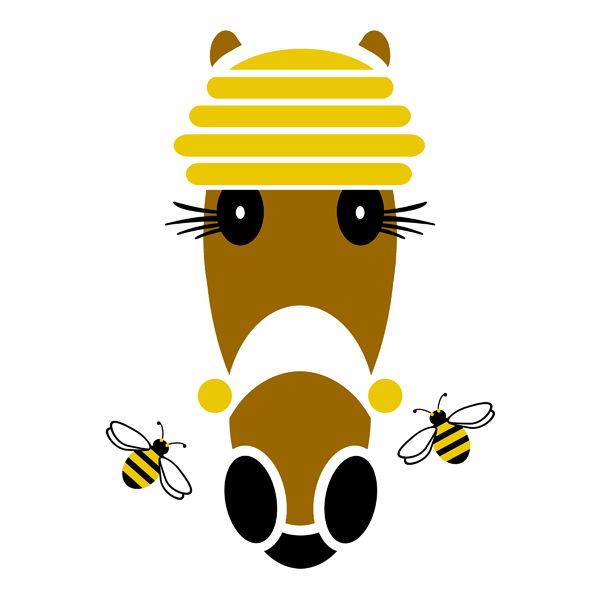
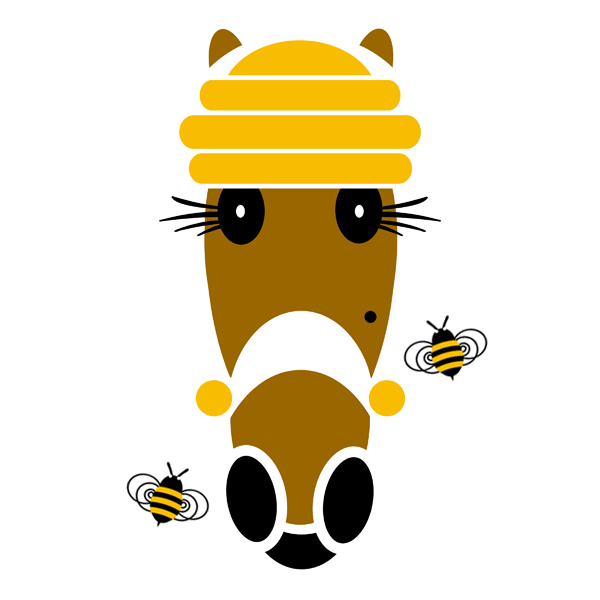
In honor of Honey Bee Day, Hattingdon is wearing her “Honey” fashion hat, along with two sweet honey bees. Darling.
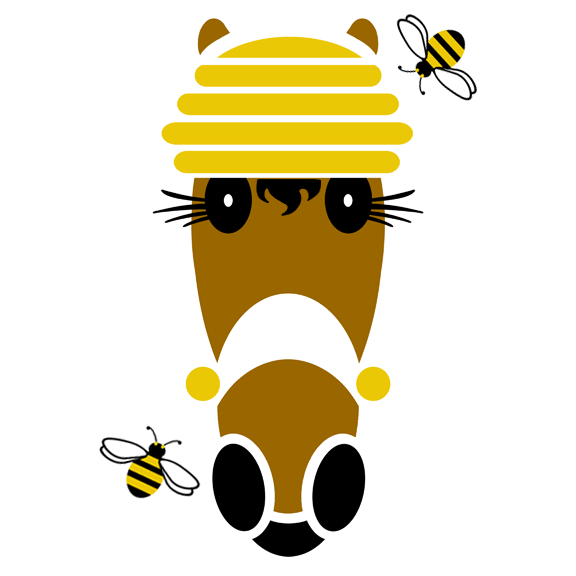
Honey and two bees. August 2025.
Honey Hattingdon

Six ways to celebrate

  1. Collect and spread local wildflower seeds to promote honey bee pollination.
  2. Flavors of honey vary depending on the variety of flowers and nectar available to the bees.
  3. Clover, alfalfa, lavender, orange, and chestnut are just a few to choose from.
  4. Replace your usual sweetener with honey for the day. Taste the difference!
  5. Give the gift of honey to a friend, neighbor, co-worker or family member.
  6. Share your sweet honey stories on social media tagging #WorldHoneyBeeDay.

The indispensable role of pollination

Bees are arguably the most important pollinators on the planet, facilitating the reproduction of countless plant species, including many that are essential for human food production. Their hairy bodies efficiently collect pollen, which they then inadvertently transfer from flower to flower as they forage for nectar, the sweet reward that fuels their activity. This process of pollination is essential for the production of fruits, vegetables, nuts, and seeds, underpinning both natural ecosystems and agricultural systems worldwide.

Support pollinators

When we plant wildflowers, orchards, and other flowering plants, we support pollinators such as honey bees. They depend on the nectar of a variety of plants for their survival. Conversely, we depend on honeybees for our survival, too! Without their pollinating abilities, many nutritious plants are unable to reproduce.

About the day

World Honey Bee Day began as National Honey Bee Day in 2009 with a proclamation issued by the Secretary of Agriculture, Thomas J. Vilsek. The day grew rapidly bringing awareness to the benefits and environmental needs of honey bees.

Sources: » National Day Calendar » Almanac.com »

See also: » How Do Bees Affect the Environment? »

Christmas Gold Logo

Bee a honey

Honey Hattingdon fashion hat accompanied by two darling bees. Hattingdon Horses.

Hello there. We are especially happy you stopped by because we have another new hat.

Vivian suddenly had the idea of making a beehive inspired hat. It is little bit literal and a little bit whimsical. Here it is.

The color is glorious. Sunny and golden and bright and fun. Hattingdon looks absolutely darling.

Honey Hattingdon cartoon horse.
Honey Hattingdon.

As you can see, Hattingdon has attracted two curious little bees to keep her company. Aren’t they cute?

Vivian named the hat “Honey”. What else? Wink. Click to Shop at Zazzle below. We have a greeting card, square stickers, a flat magnet and unisex kids tees and ladies tees.

• Greeting Card

Greeting Card.

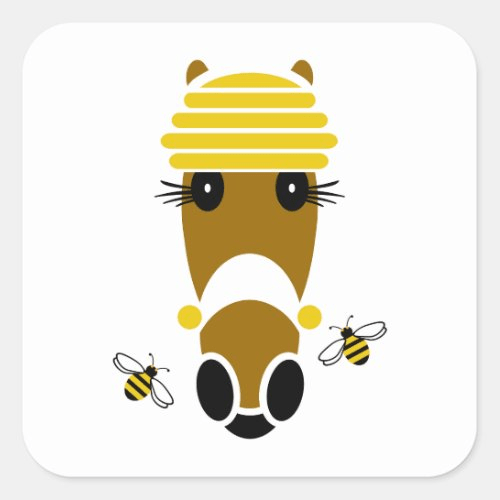
• Square Stickers

Square Stickers. Sheet of 20.

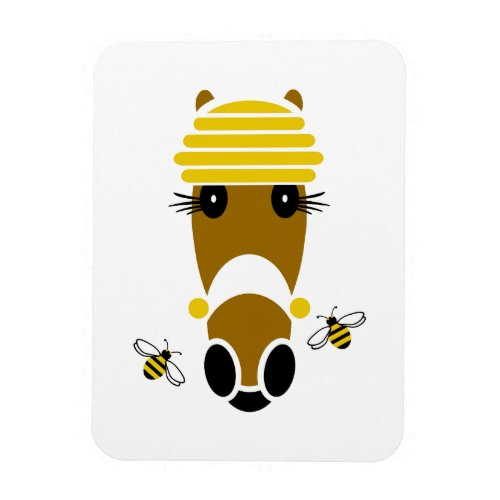
• 3″ x 4″ Magnet

Flat Magnet.

Kids Unisex Tees

Kids Unisex Tee.

Ladies Tee.

Bees important

We owe a lot to our bees. Here is just some of their importance.

Open Quote

Bees have cultural and environmental importance as pollinators and producers of honey and medicinal products. The movement of pollen between plants is necessary for plants to fertilize and reproduce. Both farmed and wild bees control the growth and quality of vegetation — when they thrive, so do crops.

Bee

Source: MEDICAL NEWS TODAY. Learn more »

Updated: 06/30/24; 1:01 pm.


Hattingdon H logo.

Hello Honey

Hattingdon Honey Bees Blog Header

Updated: July 16, 2022

You have heard of the beehive hairdo. How about a beehive hat? Hattingdon wears just that in a rich golden yellow, accompanied by two curiously darling little bees. The hat design name is — perhaps just a touch predictably — Honey.

Honey Hattingdon.

Isn’t the updated shape bee-utiful? We really love it.

In addition to the updated hat silhouette (now seen above), Vivian also added two tiny eyes to her bees. She was a bit startled to learn on the British Beekeepers Association website that bees “have six legs, two wings and five eyes: two large compound eyes and three smaller ocelli eyes in the centre of its head”. In light of this surprising revelation, she is still sticking with two eyes!

Hattingdon Honey Bees Blog Header

Just a bit more

The National Wildlife Federation tells us that, “There are over 20,000 bee species worldwide, including the honey bee, which originated in Eurasia and has been imported around the globe as a domesticated species. Wild bees species live on every continent except Antarctica. In North America there are approximately 4,000 native bee species occupying ecosystems from forests to deserts to grasslands.

Bees feed exclusively on sugary nectar and protein-rich pollen from flowering plants, unlike the carnivorous wasps from which they evolved.” [italics added]

Learn more about the incredible bee at the NWF website.


Hattingdon H Logo in her signature brown.

©Vivian J Grant. All Rights Reserved.