Bee a honey

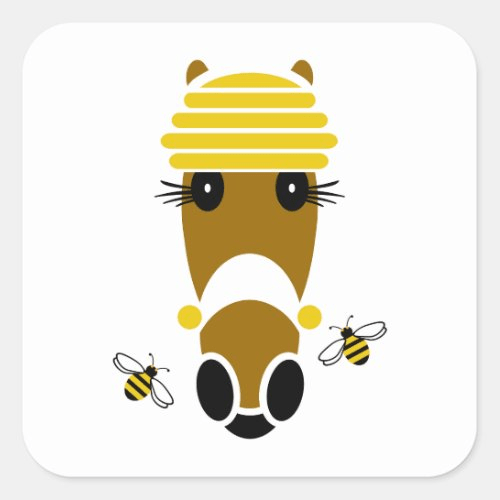
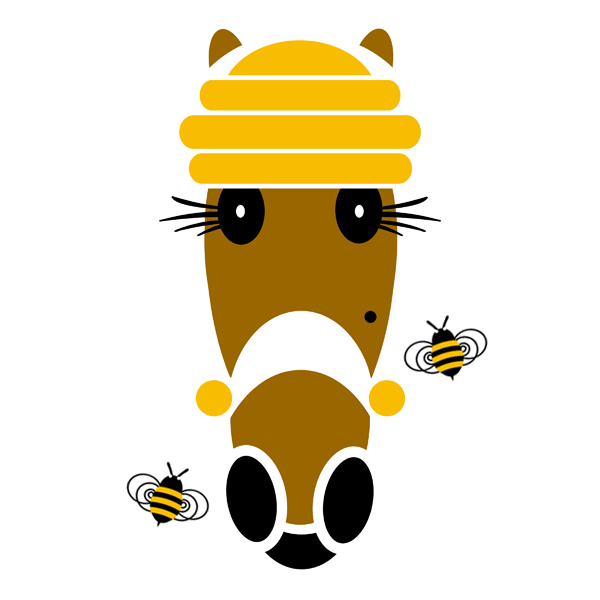
Honey Hattingdon fashion hat accompanied by two darling bees. Hattingdon Horses.

Hello there. We are especially happy you stopped by because we have another new hat.

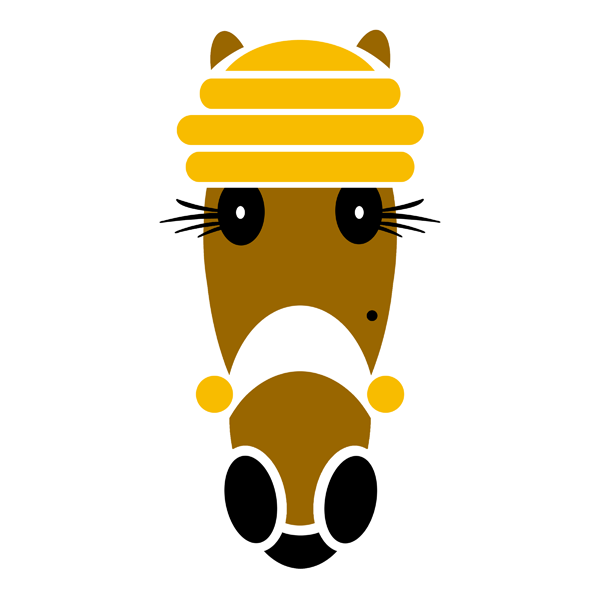
Vivian suddenly had the idea of making a beehive inspired hat. It is little bit literal and a little bit whimsical. Here it is.

The color is glorious. Sunny and golden and bright and fun. Hattingdon looks absolutely darling.
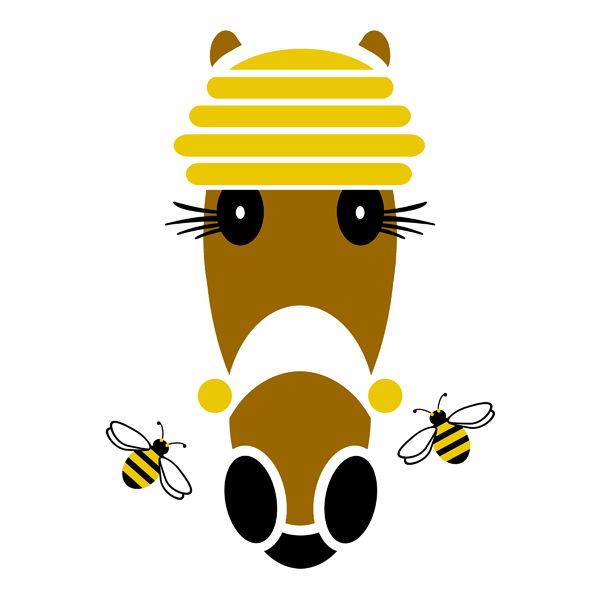
Honey Hattingdon cartoon horse.
Honey Hattingdon.

As you can see, Hattingdon has attracted two curious little bees to keep her company. Aren’t they cute?

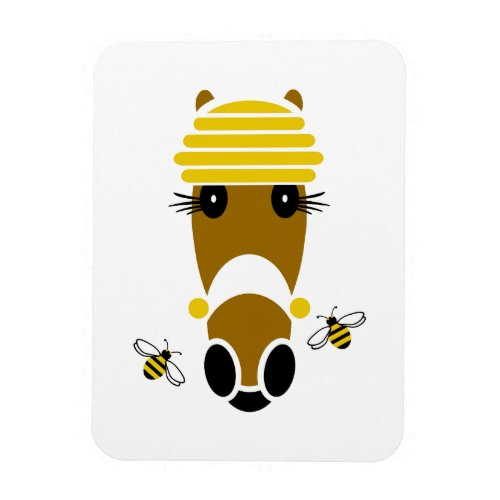
Vivian named the hat “Honey”. What else? Wink. Click to Shop at Zazzle below. We have a greeting card, square stickers, a flat magnet and unisex kids tees and ladies tees.

• Greeting Card

Greeting Card.

• Square Stickers

Square Stickers. Sheet of 20.

• 3″ x 4″ Magnet

Flat Magnet.

Kids Unisex Tees

Kids Unisex Tee.

Ladies Tee.

Bees important

We owe a lot to our bees. Here is just some of their importance.

Open Quote

Bees have cultural and environmental importance as pollinators and producers of honey and medicinal products. The movement of pollen between plants is necessary for plants to fertilize and reproduce. Both farmed and wild bees control the growth and quality of vegetation — when they thrive, so do crops.
Bee

Source: MEDICAL NEWS TODAY. Learn more »

Updated: 06/30/24; 1:01 pm.


Hattingdon H logo.

Vivian’s Fave Hats: Letter H

Greetings and welcome. Vivian has made her choices. They are not the ones we expected. Hmmmmm. Look!

Classic Hat

Since the human heart has long been associated with emotion and pleasure, the shape was eventually co-opted as a symbol of romance and medieval courtly love. More about all of that below.

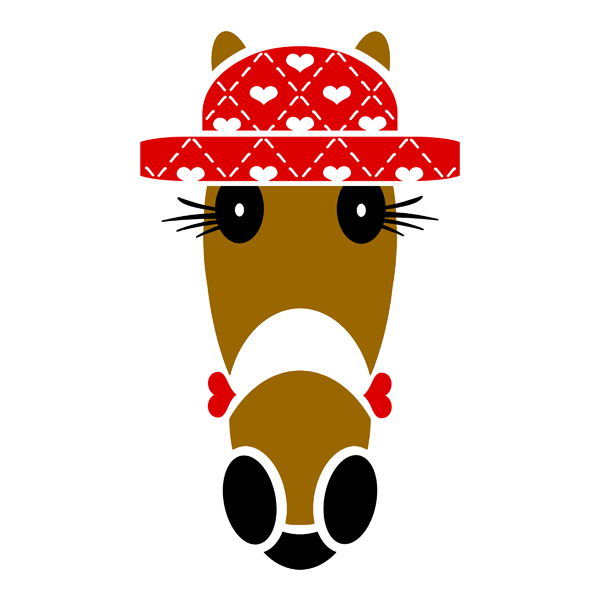
Here is Hattingdon wearing a vivid red classic hat adorned with hearts galore.

Hallie Hattingdon.

Fashion Hat

This selection is a big surprise and we love it. We thought Vivian would go for a vintage hat, but she instead chose a very recent design. Look.

Honey Hattingdon fashion hat created by ©Vivian Grant.
Honey Hattingdon.

Sweeeeeet! We love it. Here is some history on how the heart shape came to be.

History of the heart shape

[T]he heart shape may have been born when artists and scientists from the Middle Ages attempted to draw representations of ancient medical texts. In the 14th century, for example, the Italian physicist Guido da Vigevano made a series of anatomical drawings featuring a heart that closely resembles the one described by Aristotle.

Since the human heart has long been associated with emotion and pleasure, the shape was eventually co-opted as a symbol of romance and medieval courtly love. It grew especially popular during the Renaissance, when it was used in religious art depicting the Sacred Heart of Christ and as one of the four suits in playing cards. By the 18th and 19th centuries, meanwhile, it had become a recurring motif in love notes and Valentine’s Day cards. More at the History Channel »

The above © 2023 A&E Television Networks, LLC. All Rights Reserved.


H&Co in Hattingdon brown.

“A Hatful of Smiles”

Hello Honey

Hattingdon Honey Bees Blog Header

Updated: July 16, 2022

You have heard of the beehive hairdo. How about a beehive hat? Hattingdon wears just that in a rich golden yellow, accompanied by two curiously darling little bees. The hat design name is — perhaps just a touch predictably — Honey.

Honey Hattingdon.

Isn’t the updated shape bee-utiful? We really love it.

In addition to the updated hat silhouette (now seen above), Vivian also added two tiny eyes to her bees. She was a bit startled to learn on the British Beekeepers Association website that bees “have six legs, two wings and five eyes: two large compound eyes and three smaller ocelli eyes in the centre of its head”. In light of this surprising revelation, she is still sticking with two eyes!

Hattingdon Honey Bees Blog Header

Just a bit more

The National Wildlife Federation tells us that, “There are over 20,000 bee species worldwide, including the honey bee, which originated in Eurasia and has been imported around the globe as a domesticated species. Wild bees species live on every continent except Antarctica. In North America there are approximately 4,000 native bee species occupying ecosystems from forests to deserts to grasslands.

Bees feed exclusively on sugary nectar and protein-rich pollen from flowering plants, unlike the carnivorous wasps from which they evolved.” [italics added]

Learn more about the incredible bee at the NWF website.


Hattingdon H Logo in her signature brown.

©Vivian J Grant. All Rights Reserved.