Originally Posted Aug. 29, 2022. Updated Dec. 18, 2022.
UPDATE! Seems like December is “logo” month. We reported earlier this year how very happy we were to find a nice, simple, easily identifiable logo for Hattingdon, as we had toiled off and on for years trying to come up something.
We finally came up with this one. Pure and simple. A single letter ‘H”, in Hattingdon’s signature brown and font. But we have a new one, but we are also keeping this one. They work well together. You will what we mean in a few moments. So keep going!
Hattingdon’s New Logo, 09/22.
We hope you love it as much as we do. It only took us about 10 years or so. Hahahaha!
We will be using both but predominantly the single letter H in Hattingdon Brown. It has really taken off with everybody. Thank you for your input and help.
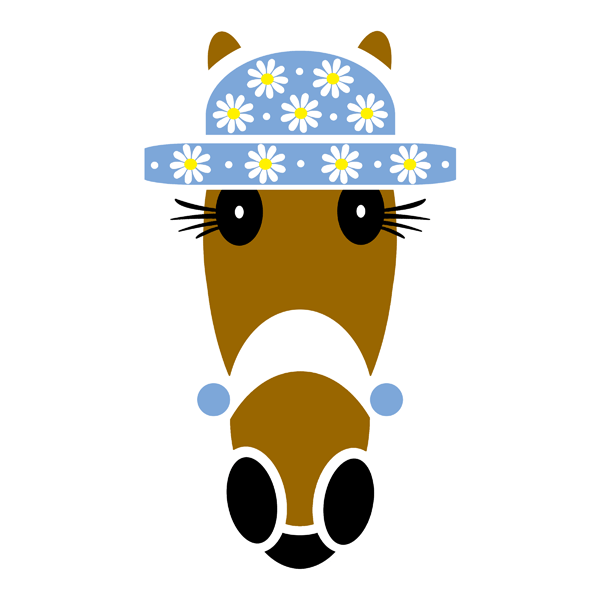
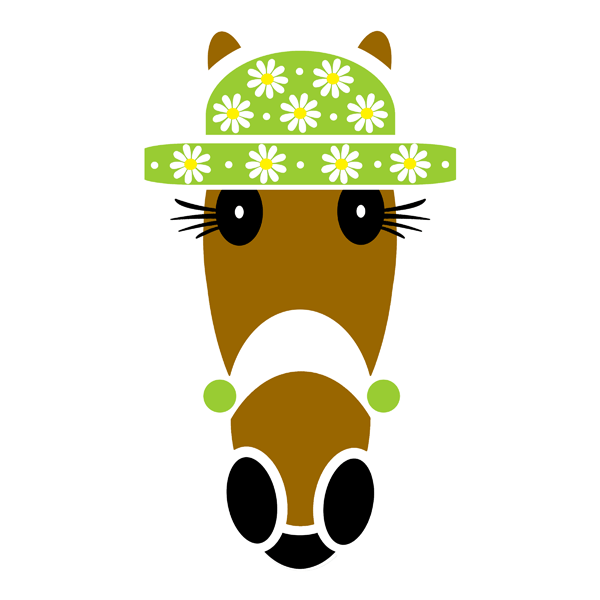
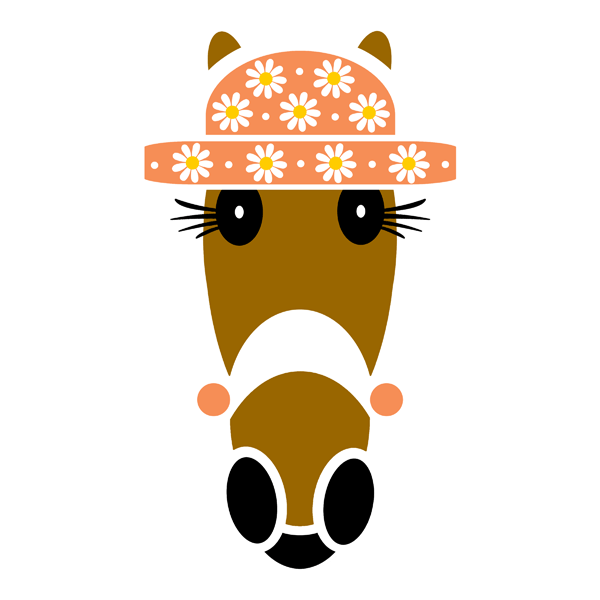
Hello, and happy Monday. It is time for a classic hat, and this one . . . . is a new one. Vivian named the hat Daisy, and you are about to see why.
Daisy Hattingdon Blue.
Daisy Hattingdon Green.
Daisy Hattingdon Peach.
Daisy Hattingdon Black.
We were not too sure about the black, but it turned out lovely. The blue and green are so fresh and fun. But the peach! We are all in love with it here. How about you? Which one do you love most?
In “Well Dressed. Well Said. Well Read.”, its author Heather writes the following about Red Shoe Day:
“Red Shoe Day is actually a day of remembrance where those who suffer and/or pass away from invisible illnesses are recognized.”
“The day was created in remembrance of Theda Myint, who died of Lyme disease, but it has since been expanded to include all illnesses that don’t exhibit obvious physical symptoms.”
“For me, that includes mental illness. As a lifelong sufferer of depression, I can attest only too well to the stigma and struggle of battling an invisible illness. So on this day I will proudly wear my red shoes in solidarity with the countless others who struggle as well.”
How about a hat?
We were determined to support Red Shoe Day. But how could we besides wearing red shoes — which we, and our staff and families and friends, are doing.
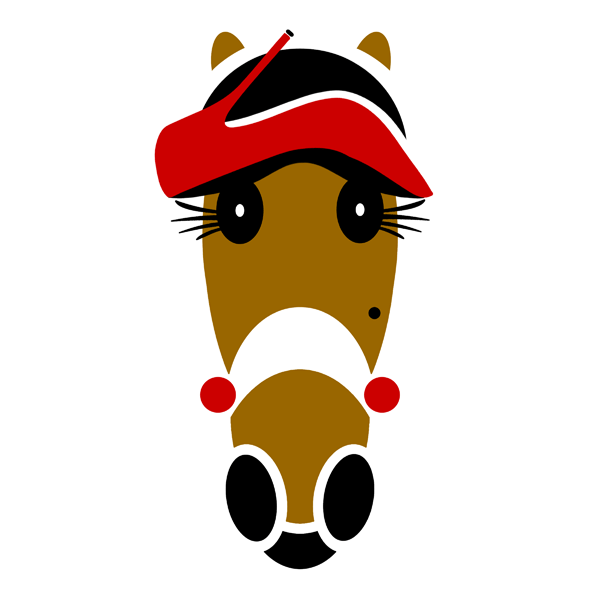
Hattingdon is of course a hat wearing cartoon horse. So the challenge was to create a Hattingdon, in some way shape or form, wearing a red shoe to help draw attention to this issue. Vivian chose a red stiletto — not knowing how in the world she was going to make a hat out of it.
“My dear colleagues (ahem) reckoned thateven Icould not make a hat for Hattingdon from a red stiletto,” says Vivian. The challenge was accepted. And met. “They will be singing from that Beatles song — I shoulda known better with a girl like you. That I would love everything that you do. And I do. Hey hey hey. And I do.”
Vivian named the design . . . . Theda. Here is the hat.
Theda.
Is this, or is this not, crazy and wonderful? Now that should grab some attention! Which is what we want — to draw attention and raise awareness for Red Shoe Day / International Red Shoe Day. We have agreed that you can download the image and share it on social media using the hashtags listed below — in support of this important cause. Thank you!
Links and tags
Red Shoe Day and International Red Shoe Day, July 25th, since 2013.
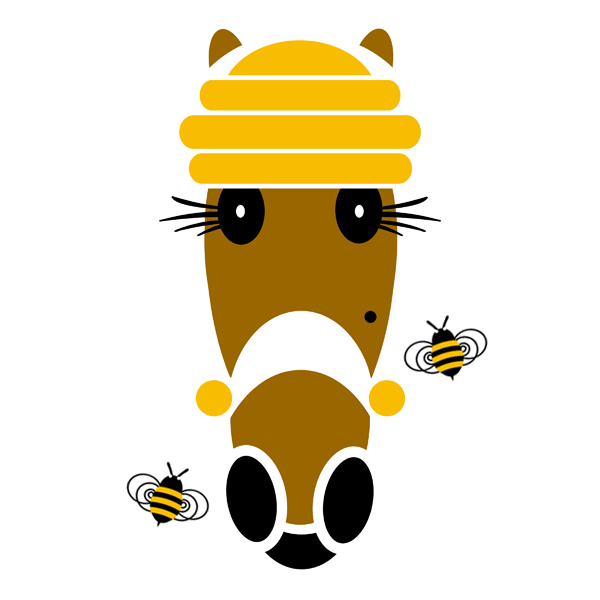
You have heard of the beehive hairdo. How about a beehive hat? Hattingdon wears just that in a rich golden yellow, accompanied by two curiously darling little bees. The hat design name is — perhaps just a touch predictably — Honey.
Honey Hattingdon.
Isn’t the updated shape bee-utiful? We really love it.
In addition to the updated hat silhouette (now seen above), Vivian also added two tiny eyes to her bees. She was a bit startled to learn on the British Beekeepers Association website that bees “have six legs, two wings and five eyes: two large compound eyes and three smaller ocelli eyes in the centre of its head”. In light of this surprising revelation, she is still sticking with two eyes!
Just a bit more
The National Wildlife Federation tells us that, “There are over 20,000 bee species worldwide, including the honey bee, which originated in Eurasia and has been imported around the globe as a domesticated species. Wild bees species live on every continent except Antarctica. In North America there are approximately 4,000 native bee species occupying ecosystems from forests to deserts to grasslands.
Bees feed exclusively on sugary nectar and protein-rich pollen from flowering plants, unlike the carnivorous wasps from which they evolved.” [italics added]






 HATTINGDON HORSES