We missed Classic Hat Monday but that does not mean we are missing out on a classic hat this week. No siree Bob.
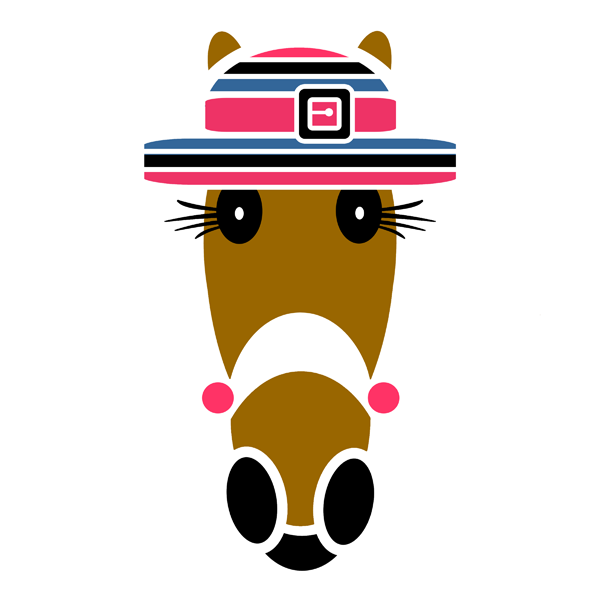
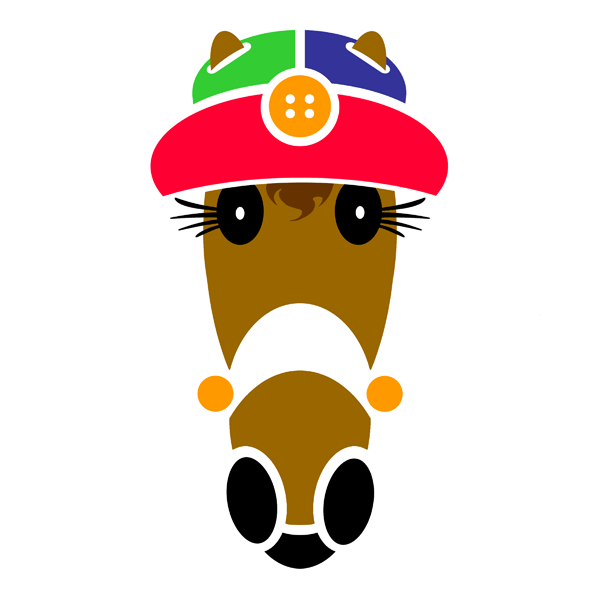
This hat was a mega hit when it was released. Vivian named the hat “Genevieve”. She loves stripes, and this hat also features her favourite colours.
Genevieve Hattingdon.
We had a crazy start to the week. You know what that can be like. It is so nice to be able exhale and get back into our usual groove.
Oh, by the way. Here is where the expression ‘no siree Bob’ comes from. “It is an interjection (US, colloquial) meaning definitely not; no way.” (Source)
There is also of course, ‘yessiree Bob’. Its history is a bit more involved.
‘Yessiree Bob’ comes from “Yes sir!” The “ee” added to the end of “sir” is an exclamation of informality, positivity, and excitement. During the mid-19th century, “Bob” was used as a euphemism for “God,” as in “So help me, Bob!” According to Google N-grams the idiom came into substantial use towards the end of the 19th century.’ (Source)
We admit it. We had not heard of Google N-grams. We need to get out more. Wink. Bye for now!
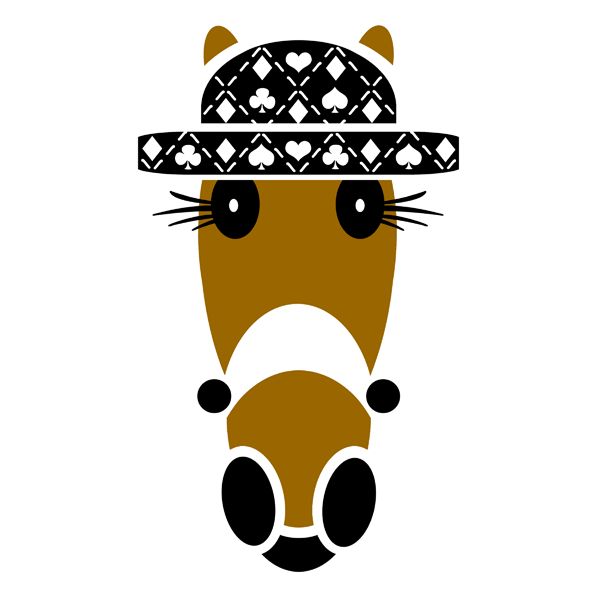
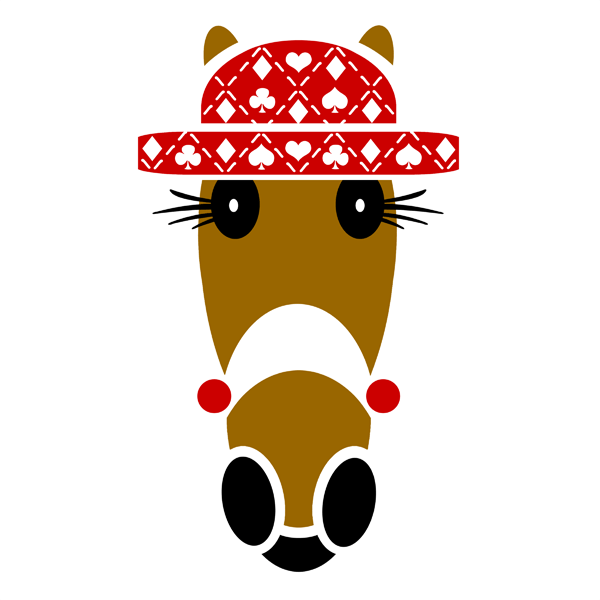
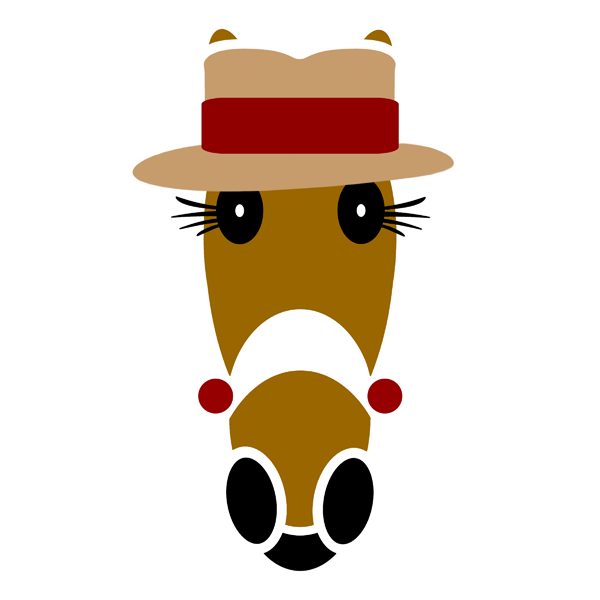
We have another vintage classic hat today. The design is called Ginny. As you can see, it is inspired by playing cards. Here it is in two colors: black and red.
Today we have a darling hat from very early on in Hattingdon’s hat collection. It is a sweet, colorful interpretation of the newly created “sweetheart” hat silhouette. Vivian named the hat design Sophie.
Sophie Hattingdon.
Sorry we are so late in posting. We have had crazy busy week over at the Fund for Horses. If you are interested in horse safety and protection, check out our blog sometime called Tuesday’s Horse.
Hattingdon was created to help us raise money to help horses. We did very well for a very long time until the recent various health threats which slowed the country and economy down.
But we are encouraged and will be reopening Hattingdon’s shop in the near future.
Hattingdon’s fedora has a new name and a new brim.
The hat is now called Kelly. We have updated the hat with a broader brim so it is more “fedora” like and less “trilby” like (wink). They look very smooth wouldn’t you say?
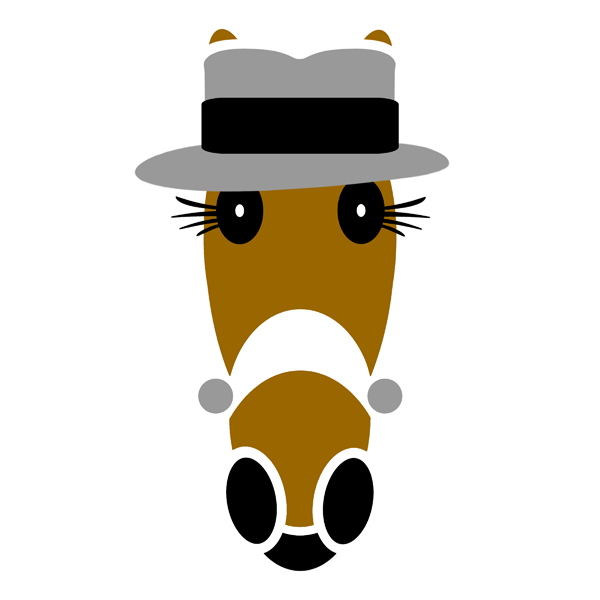
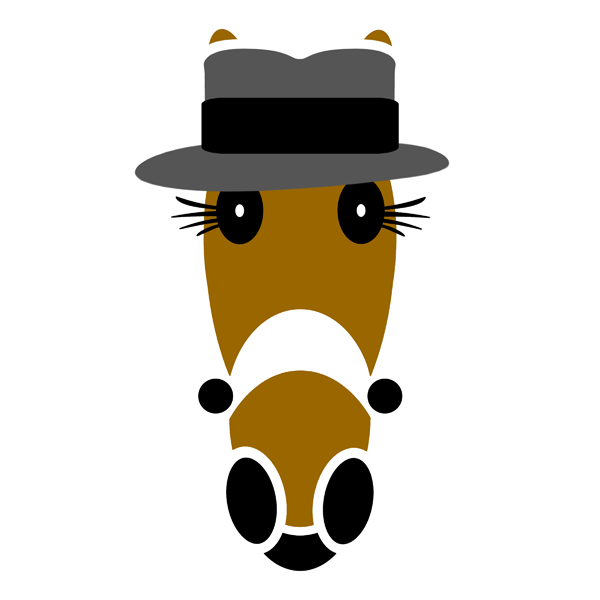
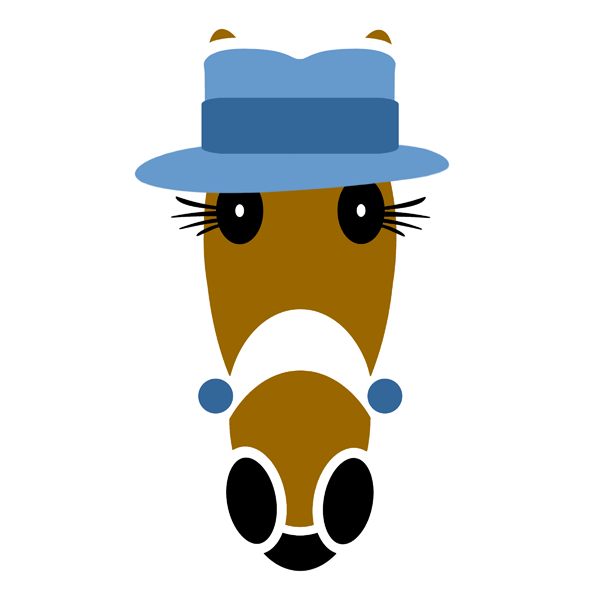
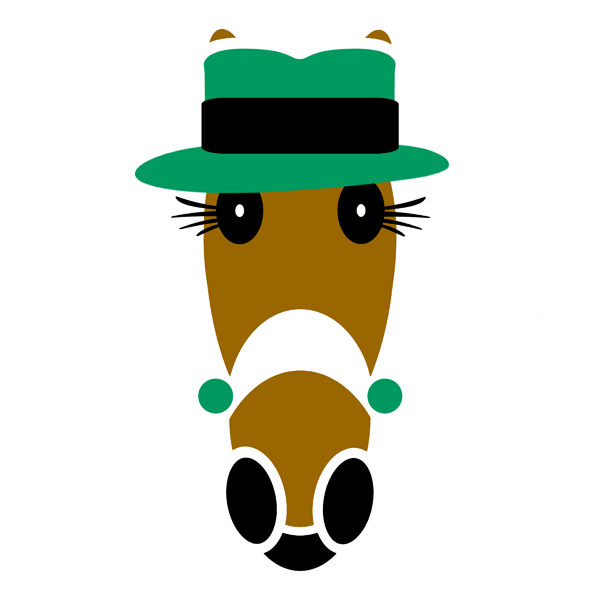
The Kelly fedora comes in six colorways:— pearl gray, dark gray, sky blue, shamrock green, and khaki tan. Plus, we are introducing the hat for the first time — in black. Very snazzy!
Pearl Gray.
Charcoal Gray.
Sky Blue.
Shamrock Green.
Khaki Tan.
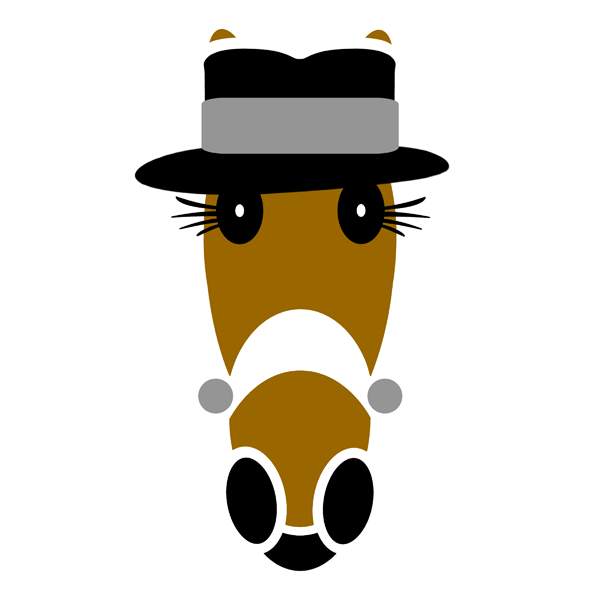
And here’s our Hattingdon in her brand new black fedora . . . . looking a bit “Al-Capone-ish”!
Classic Black.
About the fedora
The fedora has a long and fascinating history. Here is just a bit.
Fedora hats were first seen as a feminine hat with masculine undertones in 1883, inspired by a drama called “Fédora,” created by the French playwright Victorien Sardou.
Sarah Bernhardt, a French Actress, played the star role of Princess Fédora Romanoff who was wearing a stylish, center-creased, soft brimmed hat. Sarah was known for adopting men’s fashion and acting roles that shocked audiences.
The play’s first review named the style of Bernhardt’s hat “fedora” after the play title. This review coined the name “Fedora Hat” into womenswear of the time, and later menswear too.
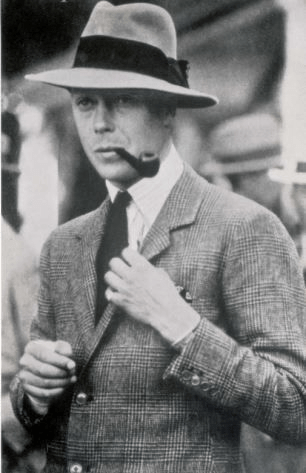
Prince Edward VIII.
Soon after, fedora hats became a popular fashion statement and symbol for women’s rights activists, standing for liberation and assertiveness.
Before long, the fedora style spread to all women and fashion-forward men like Oscar Wilde and Prince Edward VIII.
In 1924, Prince Edward VIII wore his fedora Hat to the United States and dressed it up with a suit instead of everyday dress.
The style was seen on stars like Humphrey Bogart and the infamous Gangster Al Capone.
In the 1940’s and 50’s, cinema helped to create the iconic symbol of manliness and mystery with fedora hats worn by Cary Grant, Frank Sinatra and even football coaches Paul Bear Bryant and Tom Landry.
Updated 08.12.22 4:44 pm EST
The fedora later resurfaced onscreen in the 70’s and was styled as edgy and unique, yet still practical, as seen on Harrison Ford as Indiana Jones.
Most recently, fedoras have made their existence known on shows like Mad Men and Peaky Blinders.


 HATTINGDON HORSES