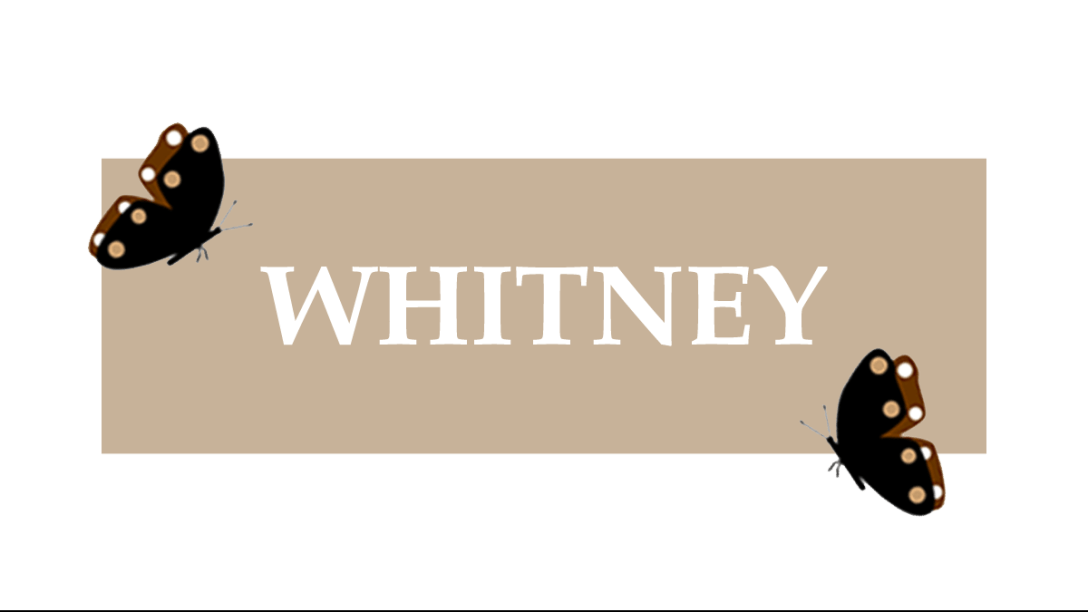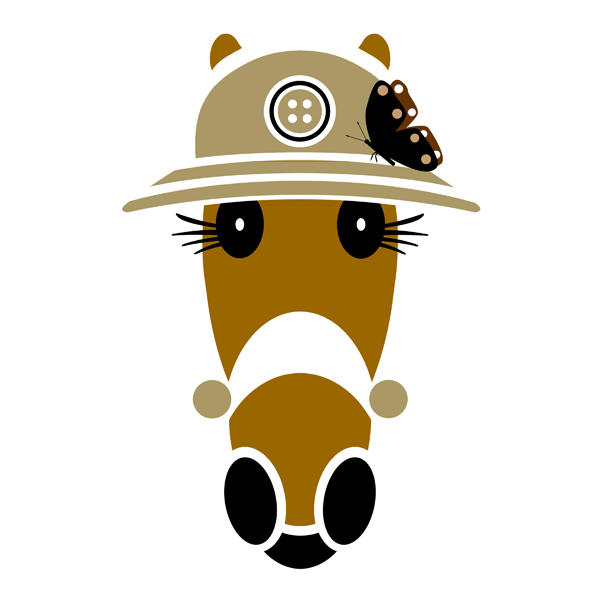
Hello there. The Whitney design is a khaki tan and white hat with a matching button and a curious butterfly. Ain’t she sweet?
Whitney Hattingdon.
Hattingdon looks lovely in tan and white, doesn’t she? It turned out to be a lovely colour for her. Vivian was not sure how well it would work with Hattingdon’s brown body, but it did.
We also love love love the butterfly she created to go with the design. Very sweet.
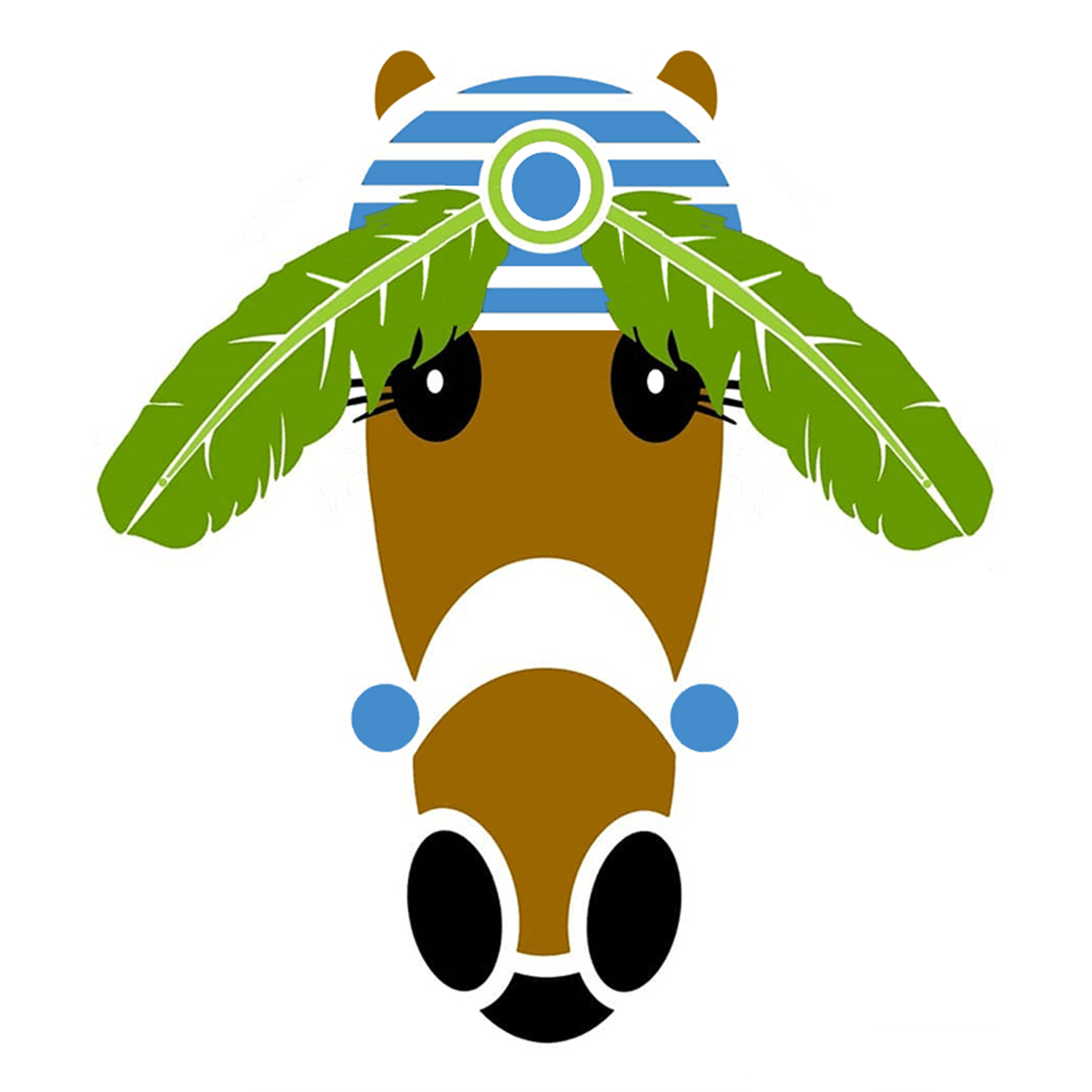
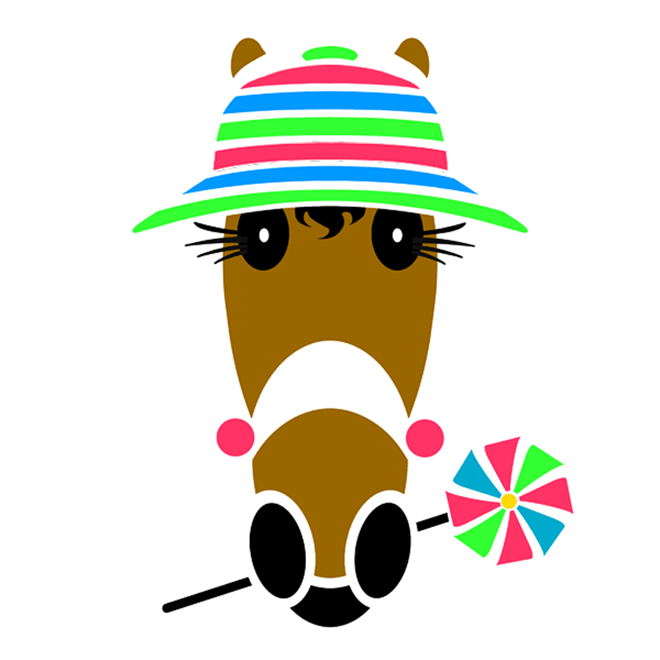
Here is our Hattingdon wearing a lovely, bright summer fashion hat in stripes of hot pink, sky blue, lime green and pure white. She carries a matching pinwheel in the same bright colors. Hattingdon enthusiasts asked to please see this design before we get into Fall.Here she is. Sweet!
World Honey Bee Day is the third Saturday in August, on the 16th of this year, bringing a buzz of celebration for beekeepers, honey lovers, and all blooming things.
World Honey Bee Day began as National Honey Bee Day in 2009, with a proclamation issued by the Secretary of Agriculture, Thomas J. Vilsek. The day grew rapidly, bringing awareness to the benefits and environmental needs of honey bees.
The day recognizes both the honey bee and the beekeepers who tend the hives. It also encourages us to buy and enjoy locally grown honey whenever we can.
In honor of Honey Bee Day, Hattingdon is wearing her “Honey” fashion hat, along with two sweet honey bees. Darling.
Honey Hattingdon
Six ways to celebrate
Collect and spread local wildflower seeds to promote honey bee pollination.
Flavors of honey vary depending on the variety of flowers and nectar available to the bees.
Clover, alfalfa, lavender, orange, and chestnut are just a few to choose from.
Replace your usual sweetener with honey for the day. Taste the difference!
Give the gift of honey to a friend, neighbor, co-worker or family member.
Share your sweet honey stories on social media tagging #WorldHoneyBeeDay.
The indispensable role of pollination
Bees are arguably the most important pollinators on the planet, facilitating the reproduction of countless plant species, including many that are essential for human food production. Their hairy bodies efficiently collect pollen, which they then inadvertently transfer from flower to flower as they forage for nectar, the sweet reward that fuels their activity. This process of pollination is essential for the production of fruits, vegetables, nuts, and seeds, underpinning both natural ecosystems and agricultural systems worldwide.
Support pollinators
When we plant wildflowers, orchards, and other flowering plants, we support pollinators such as honey bees. They depend on the nectar of a variety of plants for their survival. Conversely, we depend on honeybees for our survival, too! Without their pollinating abilities, many nutritious plants are unable to reproduce.
About the day
World Honey Bee Day began as National Honey Bee Day in 2009 with a proclamation issued by the Secretary of Agriculture, Thomas J. Vilsek. The day grew rapidly bringing awareness to the benefits and environmental needs of honey bees.
Celebrate the love of books on August 9 with National Book Lovers Day. Learn about the history of literature, the traditions of reading, and activities to enjoy on this day.
Books are the purest form of escapism. They can take you to any time, place, or culture. In honor of National Book Lovers Day on August 9, we put away our smartphones, pull out a good book and simply read. (Um, an audiobook is okay too.)
From clay tablets to today’s eBooks, literature has played a crucial role in preserving cultures, educating the masses, and storytelling.
Dewey Hattingdon.
Thanks to Johannes Gutenberg’s 15th-century printing press, anyone — not just royalty, monks or landed gentry — could read and own books.
Creator of the Dewey Decimal System, Melvil Dewey was foundational in shaping modern American libraries. In addition to devising and copyrighting the Dewey Decimal System by the age of 25, he helped found both the American Library Association and the first library school at Columbia University in 1884, and was the New York State Librarian from 1888-1906.