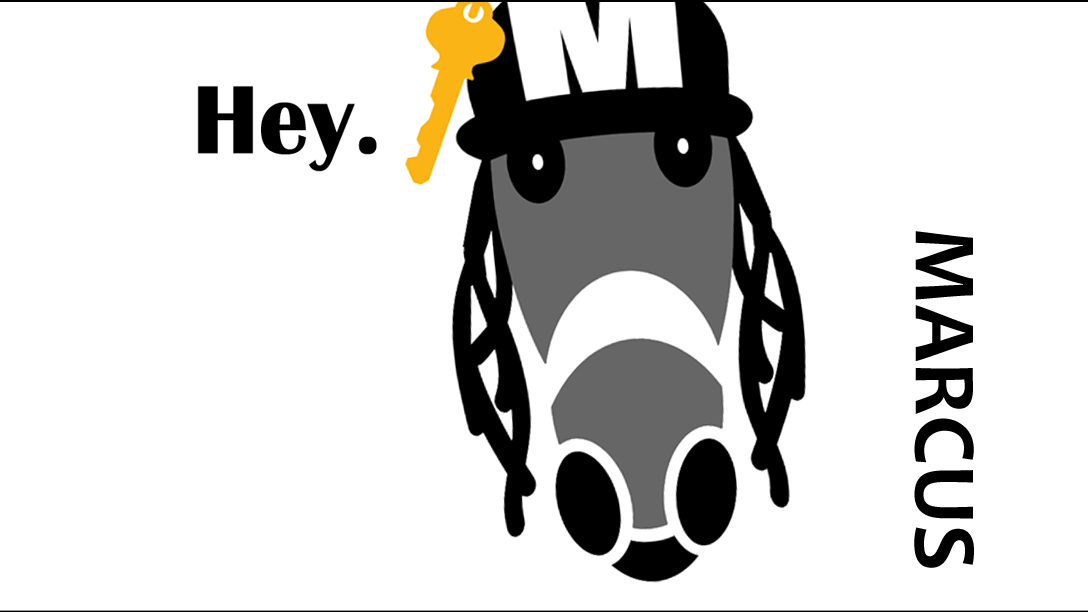
Hello there. It is good to see you. Hey. Look who’s here . . . !
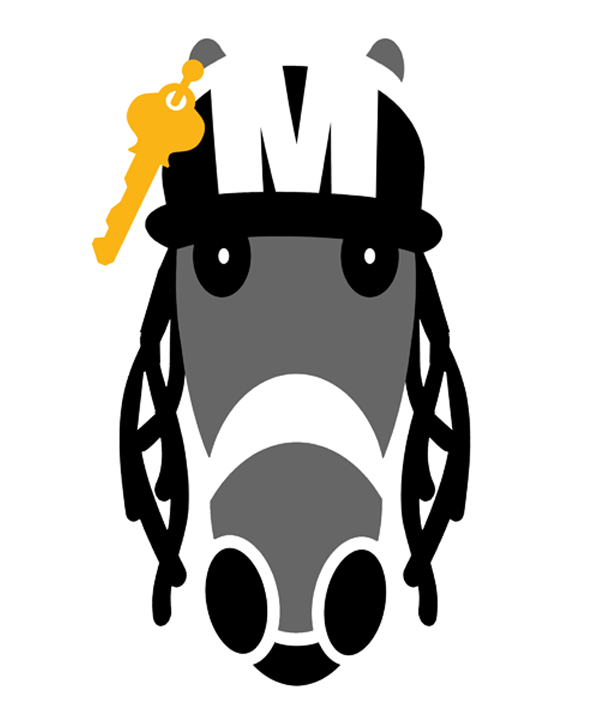
How about this? Oooh la la. It’s Marcus. And Marcus doesn’t look any finer. We love love love him.
Cousin Marcus
Hattingdon Horses creator Vivian gave Marcus a lovely makeover along with his dreads. He is looking finer and even more handsome than ever. It is enough to make us all swoon. What say you?
Thank you for visiting with us. We hope it gave you a “hatful of smiles”. See you again soon.
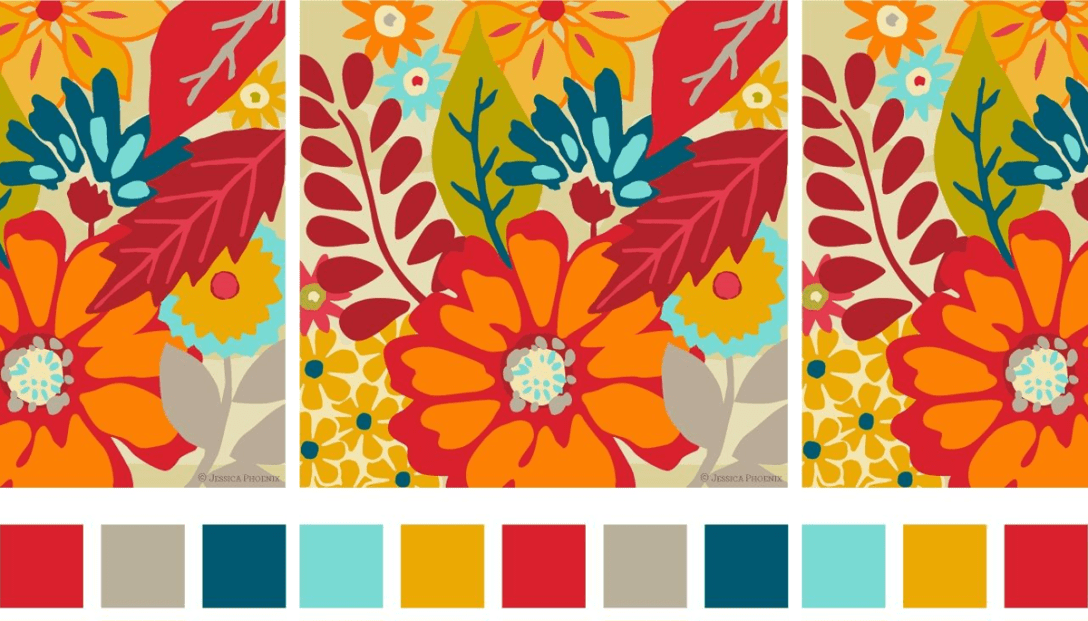
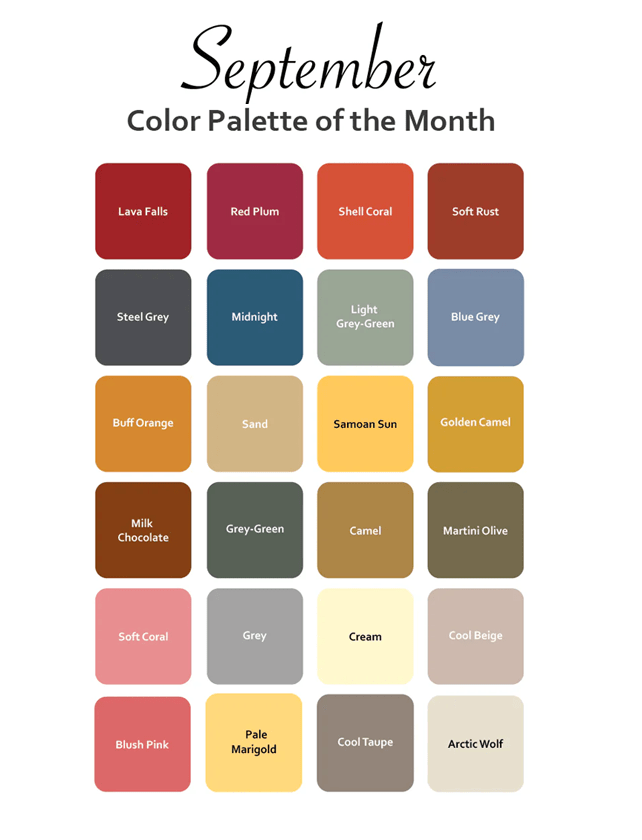
Hey there. Thank you for stopping by. Look at this. How delicious are these colors? There are some really nice ones, but not a whole lot that will suit Hattingdon this time around.
Love Lava Falls and Martini Olive. Take a look.
What are your favorites? Any colors that make your heart go pitter patter? We love Samoan Sun and Cool Taupe. Martini Olive looks interesting too.
World Honey Bee Day is the third Saturday in August, on the 16th of this year, bringing a buzz of celebration for beekeepers, honey lovers, and all blooming things.
World Honey Bee Day began as National Honey Bee Day in 2009, with a proclamation issued by the Secretary of Agriculture, Thomas J. Vilsek. The day grew rapidly, bringing awareness to the benefits and environmental needs of honey bees.
The day recognizes both the honey bee and the beekeepers who tend the hives. It also encourages us to buy and enjoy locally grown honey whenever we can.
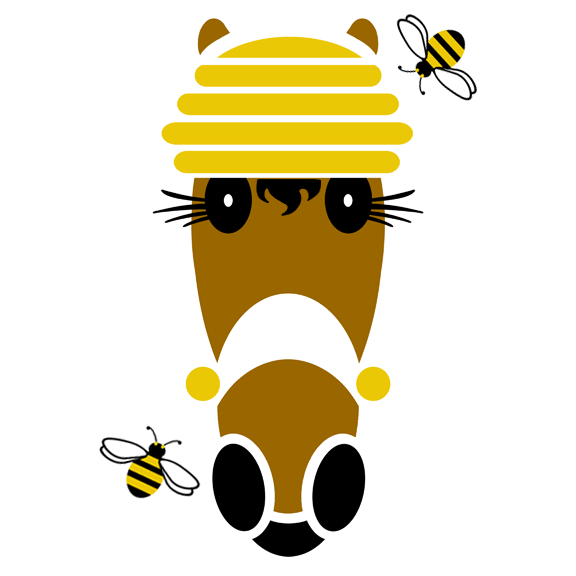
In honor of Honey Bee Day, Hattingdon is wearing her “Honey” fashion hat, along with two sweet honey bees. Darling.
Honey Hattingdon
Six ways to celebrate
Collect and spread local wildflower seeds to promote honey bee pollination.
Flavors of honey vary depending on the variety of flowers and nectar available to the bees.
Clover, alfalfa, lavender, orange, and chestnut are just a few to choose from.
Replace your usual sweetener with honey for the day. Taste the difference!
Give the gift of honey to a friend, neighbor, co-worker or family member.
Share your sweet honey stories on social media tagging #WorldHoneyBeeDay.
The indispensable role of pollination
Bees are arguably the most important pollinators on the planet, facilitating the reproduction of countless plant species, including many that are essential for human food production. Their hairy bodies efficiently collect pollen, which they then inadvertently transfer from flower to flower as they forage for nectar, the sweet reward that fuels their activity. This process of pollination is essential for the production of fruits, vegetables, nuts, and seeds, underpinning both natural ecosystems and agricultural systems worldwide.
Support pollinators
When we plant wildflowers, orchards, and other flowering plants, we support pollinators such as honey bees. They depend on the nectar of a variety of plants for their survival. Conversely, we depend on honeybees for our survival, too! Without their pollinating abilities, many nutritious plants are unable to reproduce.
About the day
World Honey Bee Day began as National Honey Bee Day in 2009 with a proclamation issued by the Secretary of Agriculture, Thomas J. Vilsek. The day grew rapidly bringing awareness to the benefits and environmental needs of honey bees.
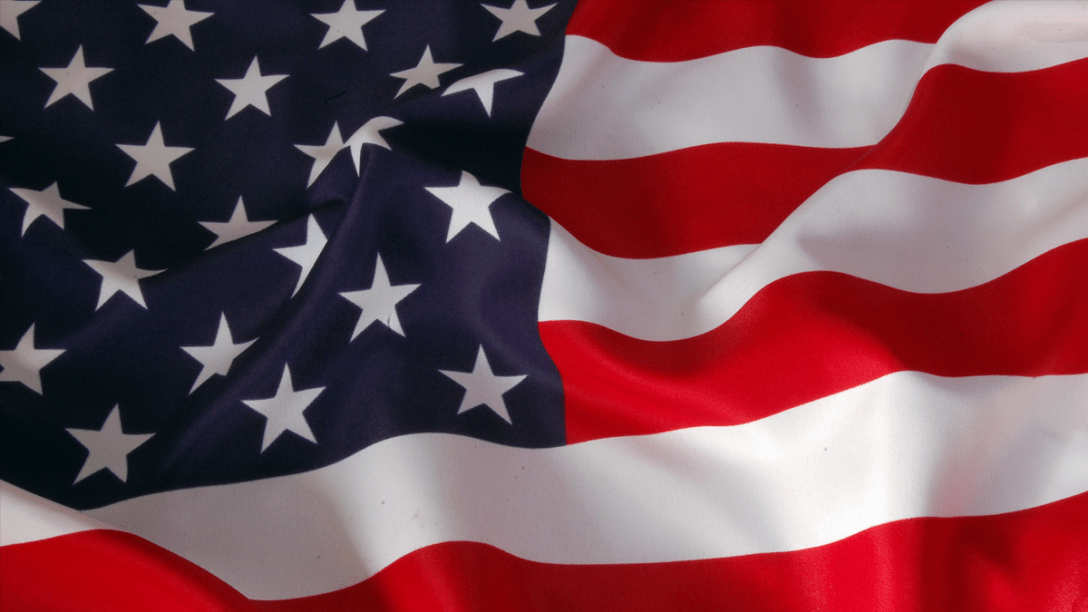
National Flag Day takes place each year on June 14 to honor Old Glory, and commemorate the adoption of the United States flag on June 14, 1777. The holiday is a day when Americans show respect for the country’s national flag, and what it represents.
While Betsy Ross has been given credit for stitching together the first American flag, there is no sound evidence to support the story. However, there are none to challenge it either.
It seems some of the conflict arose because there were several designs being considered all at the same time. There were many flag makers during that time, and more than one claim as to whose was first. During Ross’s Revolutionary time, several standards were carried bearing red and white stripes along with varying symbols where the blue field and white stars now reside.
Our nod
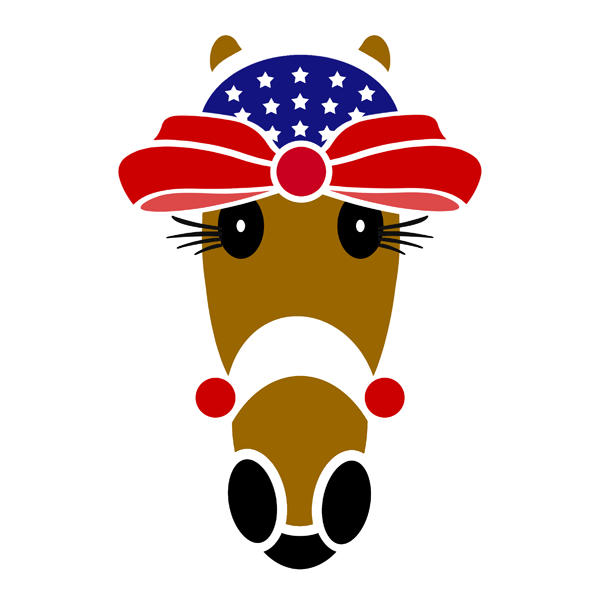
Here is Hattingdon’s nod to the original U.S. flag. The hat has thirteen white stars set against a deep, dark blue rounded cap, together with a red and white striped bow below. Naturally, we named the design Betsy. Isn’t she sweet?
Betsy Hattingdon.
Flag facts
• Since 1777, the design of the United States flag has been officially modified 26 times.
• On June 24, 1912, by Executive Order of President Taft, the proportions of the flag was established, providing for the arrangement of its stars in six horizontal rows of eight each, with a single point of each star to be upward.
• On July 4, 1912, the United States flag grew to 48 stars with the addition of New Mexico (January 6th, 1912) and Arizona (February 14, 1912).
• The 48-star flag was official for 47 years, the 2nd longest length of years. Only the 50 Star Flag is longer.
• In 1959, the 49-Star version of the Flag became official on July 4th. The following month, President Eisenhower ordered the 50-Star Flag on August 21st.
• The 50-star American flag was designed by seventeen-year-old Robert G. Heft of Ohio. His was one of the more than 1,500 plus designs submitted to the President for consideration. We find the “backstory” on this fascinating. We hope you do too.




 HATTINGDON HORSES