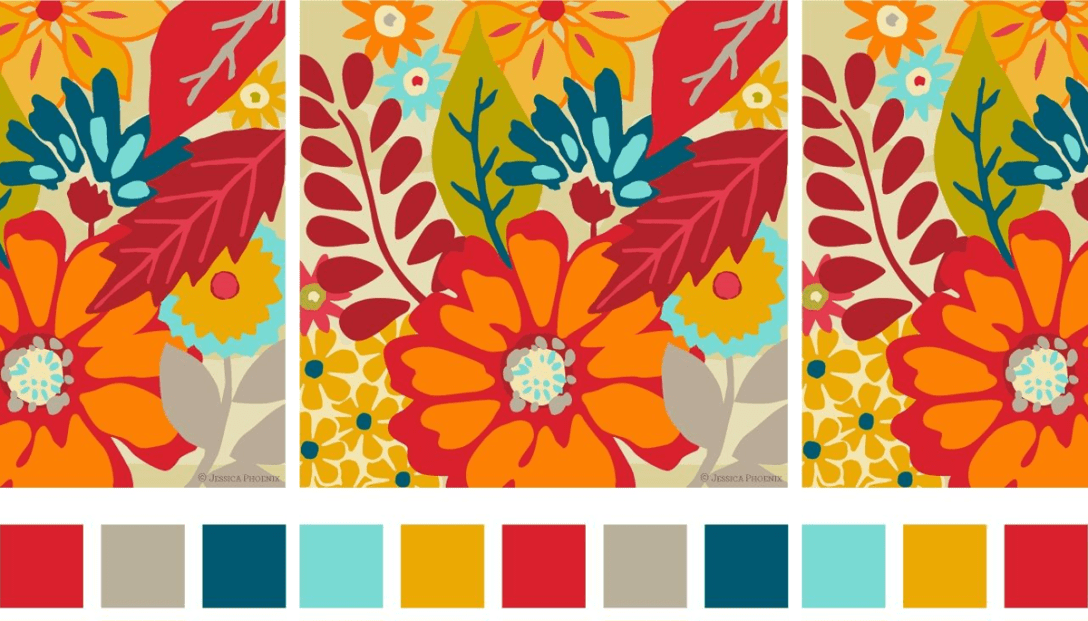
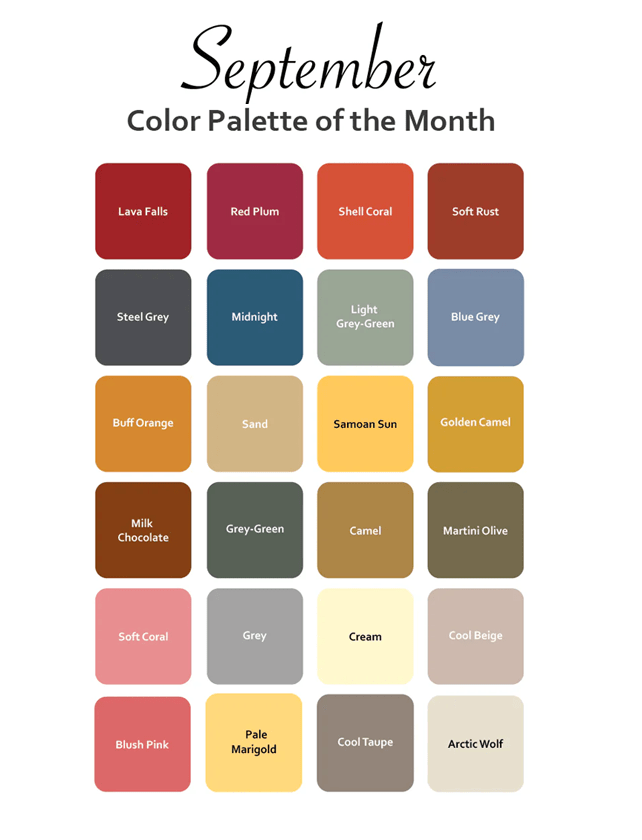
Hey there. Thank you for stopping by. Look at this. How delicious are these colors? There are some really nice ones, but not a whole lot that will suit Hattingdon this time around.
Love Lava Falls and Martini Olive. Take a look.
What are your favorites? Any colors that make your heart go pitter patter? We love Samoan Sun and Cool Taupe. Martini Olive looks interesting too.
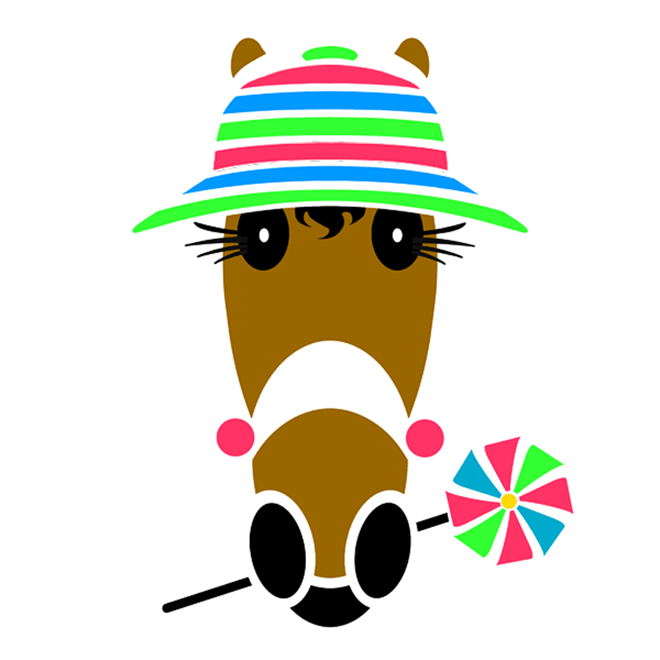
Here is our Hattingdon wearing a lovely, bright summer fashion hat in stripes of hot pink, sky blue, lime green and pure white. She carries a matching pinwheel in the same bright colors. Hattingdon enthusiasts asked to please see this design before we get into Fall.Here she is. Sweet!
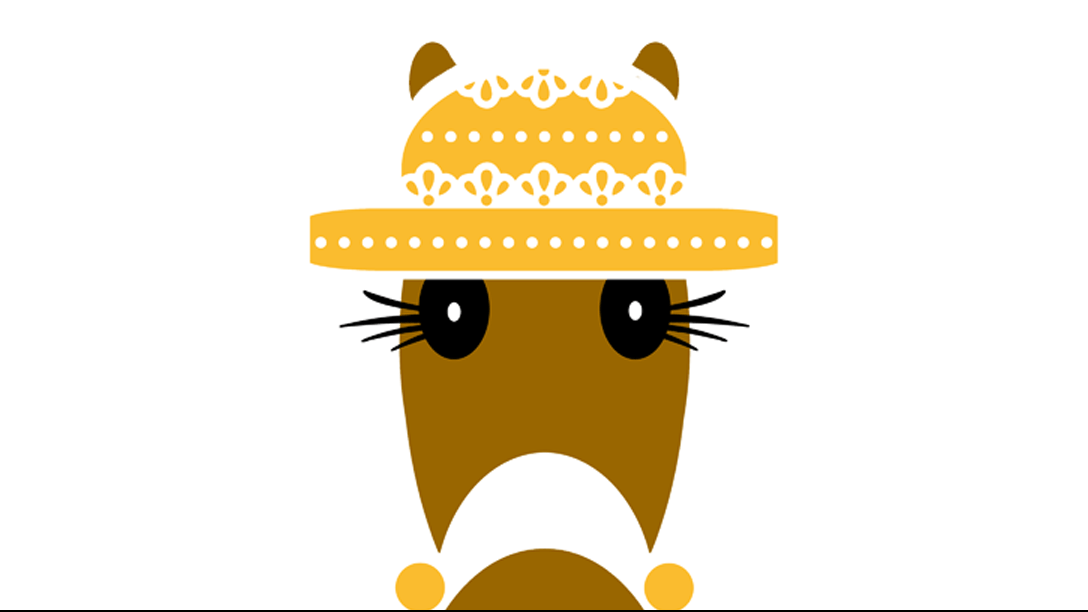
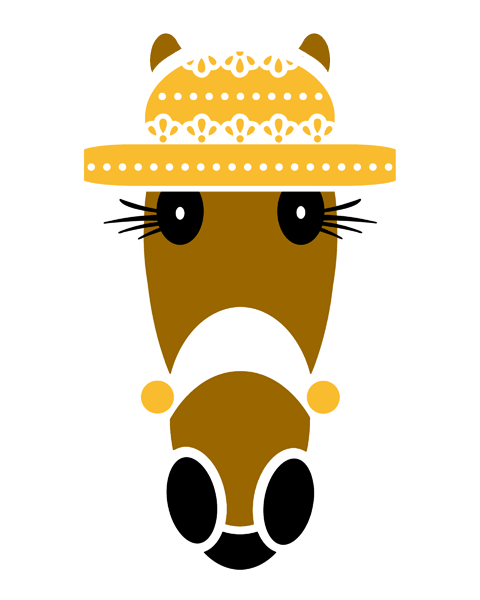
Hello there, and welcome. Do you fancy seeing a gorgeous new classic hat? We hope you do, because we have a darling one for you. She is oh so pretty. That sunny yellow is delicious!
We named her Lacey.
Lacey Hattingdon.
We love love love this hat, and hope you do too. Bye for now.
World Honey Bee Day is the third Saturday in August, on the 16th of this year, bringing a buzz of celebration for beekeepers, honey lovers, and all blooming things.
World Honey Bee Day began as National Honey Bee Day in 2009, with a proclamation issued by the Secretary of Agriculture, Thomas J. Vilsek. The day grew rapidly, bringing awareness to the benefits and environmental needs of honey bees.
The day recognizes both the honey bee and the beekeepers who tend the hives. It also encourages us to buy and enjoy locally grown honey whenever we can.
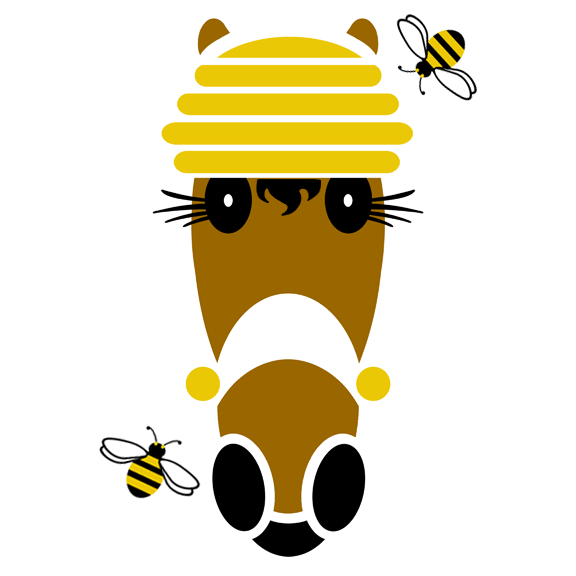
In honor of Honey Bee Day, Hattingdon is wearing her “Honey” fashion hat, along with two sweet honey bees. Darling.
Honey Hattingdon
Six ways to celebrate
Collect and spread local wildflower seeds to promote honey bee pollination.
Flavors of honey vary depending on the variety of flowers and nectar available to the bees.
Clover, alfalfa, lavender, orange, and chestnut are just a few to choose from.
Replace your usual sweetener with honey for the day. Taste the difference!
Give the gift of honey to a friend, neighbor, co-worker or family member.
Share your sweet honey stories on social media tagging #WorldHoneyBeeDay.
The indispensable role of pollination
Bees are arguably the most important pollinators on the planet, facilitating the reproduction of countless plant species, including many that are essential for human food production. Their hairy bodies efficiently collect pollen, which they then inadvertently transfer from flower to flower as they forage for nectar, the sweet reward that fuels their activity. This process of pollination is essential for the production of fruits, vegetables, nuts, and seeds, underpinning both natural ecosystems and agricultural systems worldwide.
Support pollinators
When we plant wildflowers, orchards, and other flowering plants, we support pollinators such as honey bees. They depend on the nectar of a variety of plants for their survival. Conversely, we depend on honeybees for our survival, too! Without their pollinating abilities, many nutritious plants are unable to reproduce.
About the day
World Honey Bee Day began as National Honey Bee Day in 2009 with a proclamation issued by the Secretary of Agriculture, Thomas J. Vilsek. The day grew rapidly bringing awareness to the benefits and environmental needs of honey bees.






 HATTINGDON HORSES